


Sivullinik ilinniarutiksaulaaqtunit isumaliuliqtugut ilinnilu tusaqviqarumatsuta ilinniaqtaulaaqtut turaangalaarmata Inuit pimmariutijanginnik, qaujimajanginnik, ilinniarusinginnilu.
Sivullinik ilinniarutiksaulaaqtunit isumaliuliqtugut ilinnilu tusaqviqarumatsuta ilinniaqtaulaaqtut turaangalaarmata Inuit pimmariutijanginnik, qaujimajanginnik, ilinniarusinginnilu.

Summers lost to fire and smoke. Biblical floods. Dying forests. Retreating coasts. Economic turmoil and political unrest. It’s going to be a weird century. Here’s what it will look like—and how Canada can get through it.
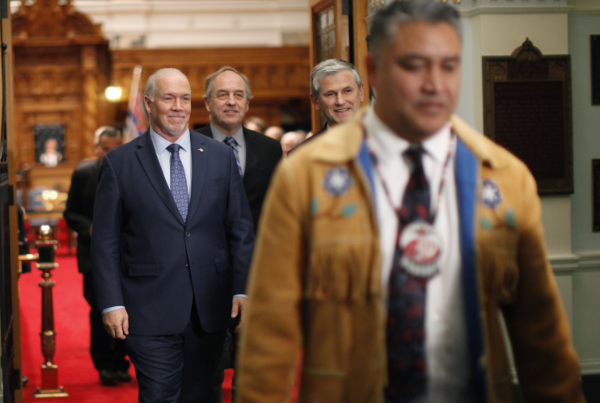
Natan Obed: B.C.’s provincial UNDRIP law creates a self-reporting obligation, which has proven faulty in the Wet’suwet’en situation

There has never been an Inuk who has sat on any of the governing bodies of the three federal research funding agencies. This exclusion is unacceptable, writes Natan Obed, president of Inuit Tapiriit Kanatami.

Sound research can be an effective building block for strong public policies, programs, and initiatives that help create prosperity for Inuit. However, colonial approaches to research continue in Canada, characterized by uncoordinated and ad hoc federal research policies that circumvent Inuit governance mechanisms and marginalize Inuit from the benefits of research.

“The major concern for us is that our academic partners would use the information, and the data sets, for their own academic purposes. We didn’t ever agree to have a purely academic exercise about particular populations and their health outcomes. We did this to improve the lives of Inuit,” Natan Obed.
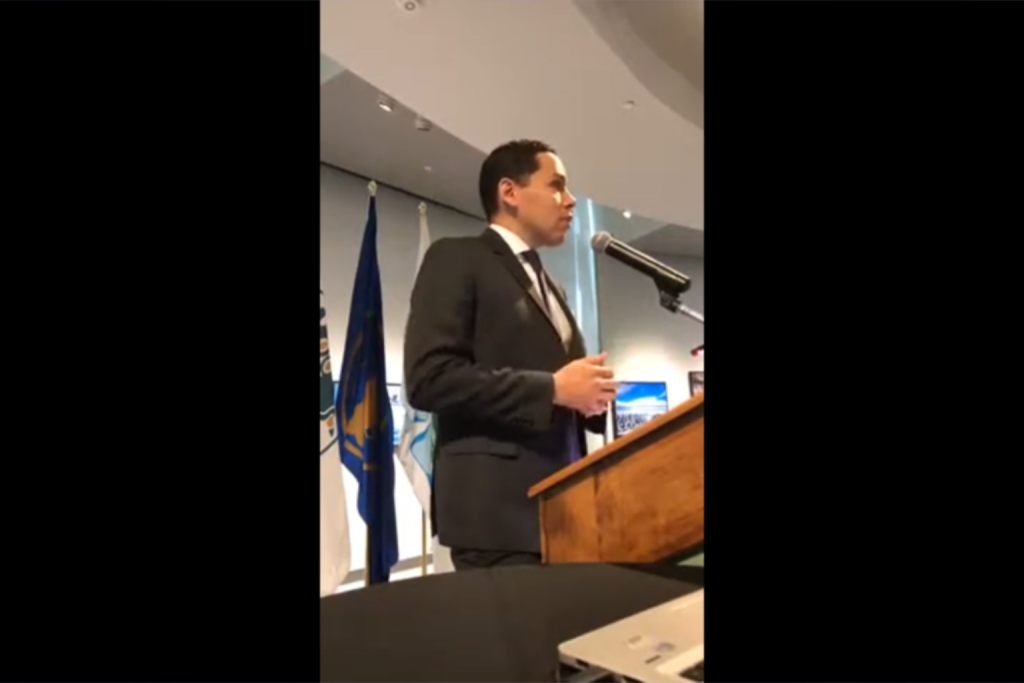
Natan Obed, the president of Inuit Tapiriit Kanatami, speaks at the Canadian Museum of Nature in Ottawa on March 22 at the launch of the National Inuit Strategy on Research along with Minister of Crown-Indigenous Relations and Northern Affairs Carolyn Bennett.