© Earl Grad/istock.com
Where the Inuvialuit Come from
The First Inuit Political Union
A LONG TIME AGO WHEN THE WORLD WAS OLD, but Inuit were new, there were lots of different Inuit around the Western Arctic. There were the Qiqiktarmiut from Herschel Island, the Kuupukmiut from the Mackenzie River, the Kittirgaryamiut from Kittigariut, and there were the Anderson River Inuit whose name we don’t remember. Or at least I don’t.
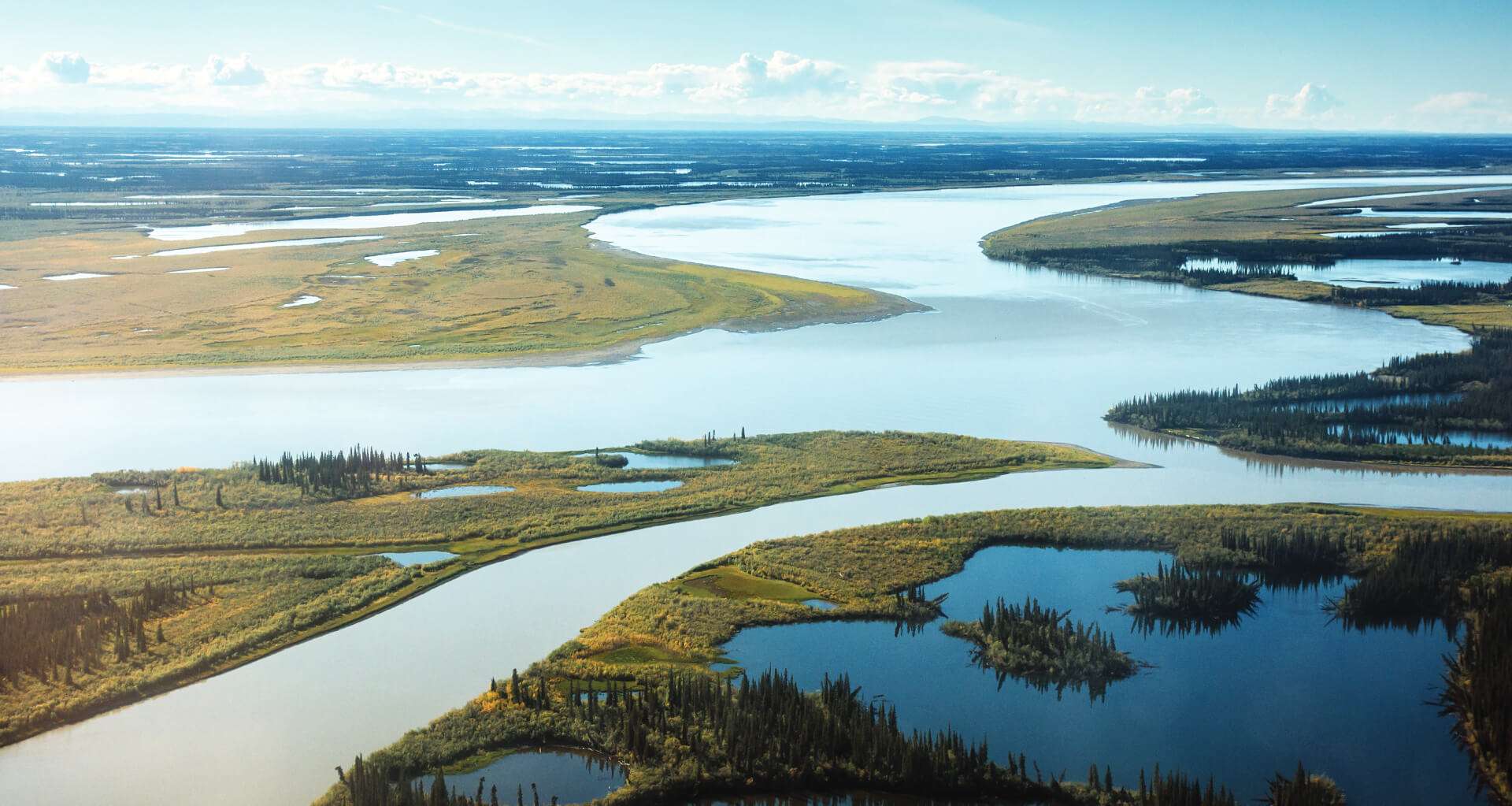
The Kittigaryamiut were the most populous. Up on the coast they had access to great whale hunting grounds, and clear water from both the Mackenzie East Branch for fresh water and on the rocky north coast for ocean hunting. Safe in their harbours and sheltered by the northern archipelago they could range all along the north coast and up and down the Mackenzie River. They traded with the Kuupukmiut along the river and were very happy with this. The Anderson River Inuit lived closer to where Paulatuk is today. They traded down the Anderson River with the First Nation folk down toward Great Bear Lake and along the river systems.
The Kittigaryamiut were the most populous. Up on the coast they had access to great whale hunting grounds, and clear water from both the Mackenzie East Branch for fresh water and on the rocky north coast for ocean hunting.
The Kittigaryamiut did not like this.
They had a young leader who did not like that the Anderson River Inuit were being successful on their own; away from other Inuit and trading with First Nations folk. He thought that Inuit from this area should deal with his people, and that Kittigariut should be the hub for trade in the entire region.
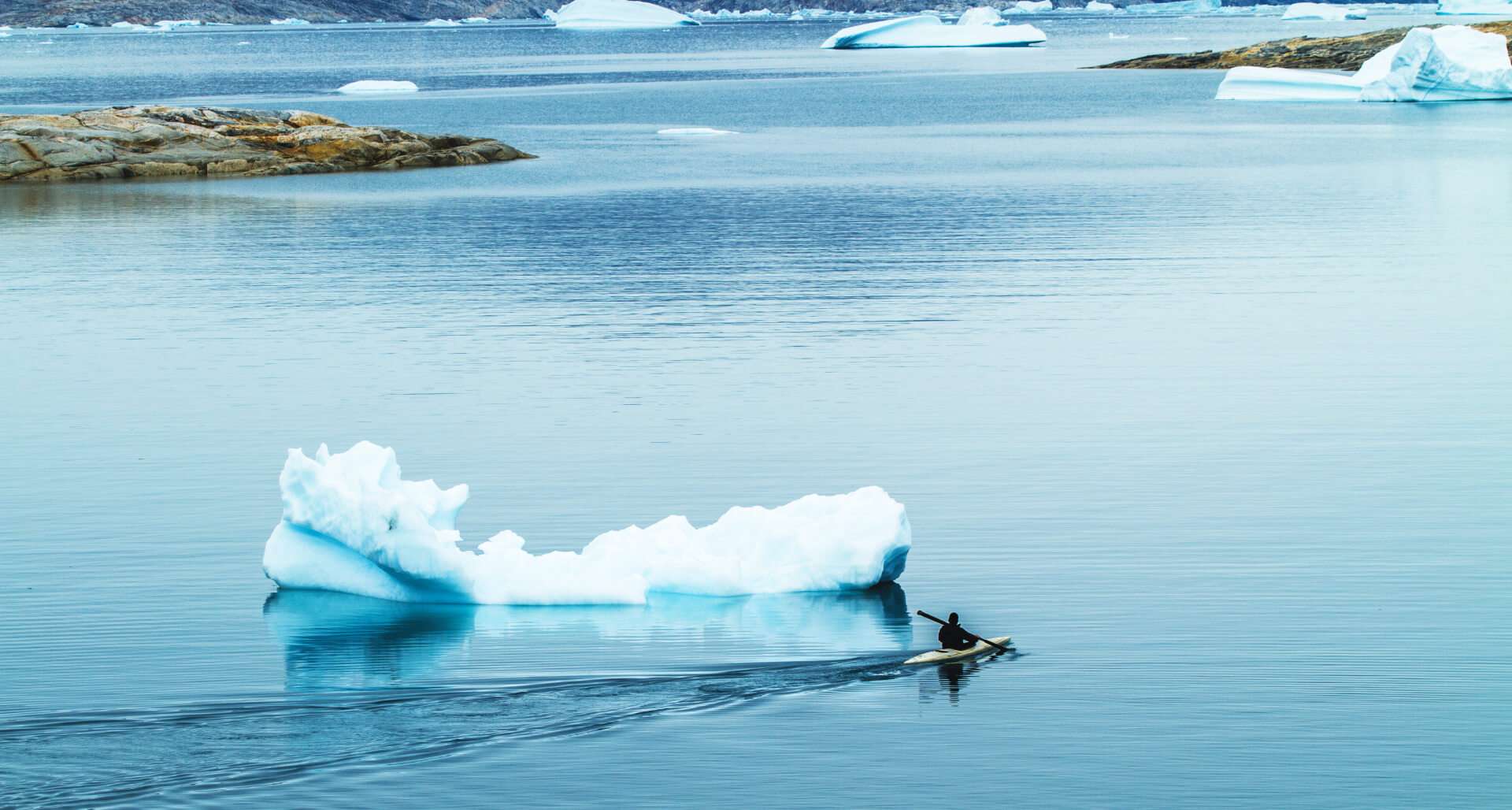
So he called his hunters and warriors together. They loaded up their umiaks (boats) and paddled to Anderson River during the summer months when there was no ice in the Arctic Ocean, hugging the shore as they went. The Kittigaryamiut attacked them. They killed all that they could find, from the old to the young. The Kittigaryamiut were happy that they were now in control of the route towards the Central Arctic. Anyone who wanted to trade or even just go east had to deal with them. They were doing pretty well for themselves.
© eppicphotography/istock.com
But they missed one, a little boy. He would grow up all by himself and become a good hunter and a good fighter. The man grew into an incredibly angry person who would do whatever he could to get back at those who killed his family and people.
One winter, many years later, when the Anderson River man found Kittigaryiut, he hid outside the headman’s home. He recognized the headman as the same man who had ordered his people killed. He had grown old.
In those days, the Inuit lived in sod houses built low to the ground. this made it easy for the Anderson River man to grab and kill the headman’s helpers as they left the house. The headman, expecting his men back, grew suspicious when none returned. So he sent his son out to find them.
The Anderson River man grabbed the boy and allowed him to scream for help. The headman came outside only to see his son caught. The headman recognizing the man as the boy he once met and broke into tears, telling him: “I know what I did to you and your people was wrong. I was young and angry, but now that I am older, I can see the evil in what I’ve done. Please spare my son!”
© StephaneLemire/istock.com
Seeing true regret in the older man the Anderson River man let the boy go, and they came together to talk. As they spoke, the headman told the Anderson River man of his folly.
With the Anderson River Inuit gone, the First Nations would go all the way up the river hunting, fishing, and trading in what used to be Inuit lands. The Kittigarymiut were worse off than when they started because there were First Nations people between them and the Central Arctic now.
The two men agreed to try and make things right by inviting the Anderson River man to start a family and bring them back to the Anderson River area, so he could teach the Kitigaryamiut who came with him to live in a much different environment. They would do this not as two separate peoples, but as one people, a real people, which is what Inuvialuit means. To say we are the real people does not suppose that others are fake people, but that we are a united people, indivisible, not to fight amongst ourselves ever again.
This new identity and the peace it guaranteed would grow to encompass the entire Western Arctic, binding us together as a people, as Inuvialuit.