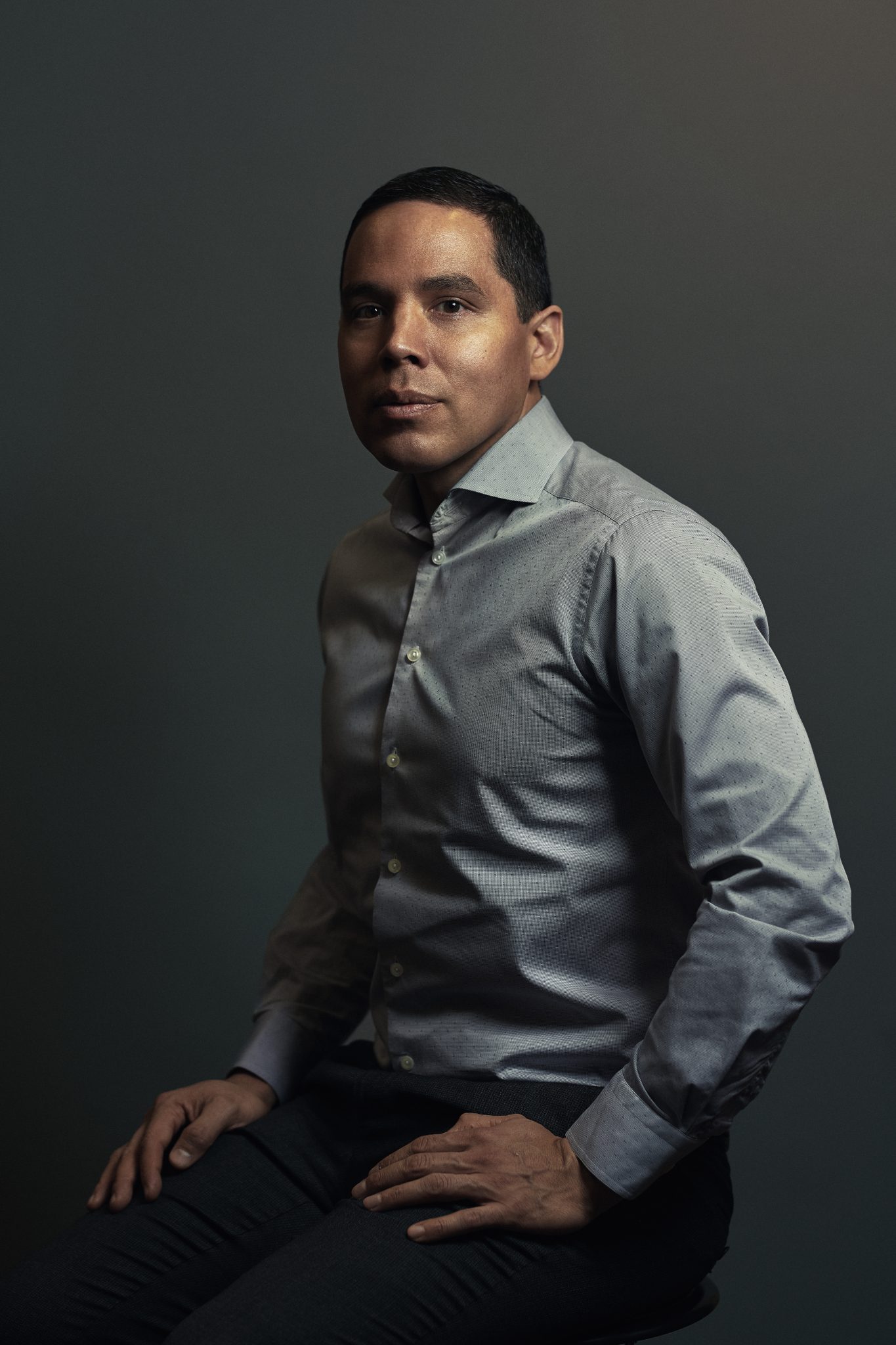
© Jessica Deeks
The Challenge of Our Time
FOR DECADES, Inuit fought Canada for the recognition of our rights. We pain stakingly negotiated modern treaties with Canada, with thoughtful provisions for enrollment. Today, we face a challenge our negotiators never could have imagined — we are fighting fraudulent groups the federal government has empowered to secure land and resources. This was never part of the deal.
Inuit are one people who share a common history, language, culture and way of life. We are bound to each other through this commonality and through our kinship and family ties. We know who we are and where our people are in Canada and throughout the circumpolar world.
In this time of political change and global focus on our homeland, we continue to call for the Government Canada to uphold Inuit rights by ending its relationship with fraudulent Indigenous collectives that seek to gain status by aligning with us. Specifically, the federal government must exclude the NunatuKavut Community Council (NCC) and organizations like it, from accessing federal Inuit‐specific programs intended to benefit Inuit.
The path forward is implementation of the Inuit Nunangat Policy to ensure that only Inuit Treaty Organizations and their members are able to access federal policies, programs and initiatives that are designed to create equity for Inuit. It’s not just a government concern. The practice of allowing self‐identification as proof of Indigeneity for academic purposes, employment, financial assistance and other benefits is widespread, problematic and has compounding effects.
Self‐identification conveniently bypasses long‐standing methods that Inuit use to define who we are. Our modern treaties with the Crown, and the organizations that implement those treaties, define who we are, where we come from, and the rights to which we are entitled.
On an individual scale, self‐identification means non‐Indigenous people can manipulate processes to gain advantage, career advancement, and access to financial opportunities. They can benefit from measures put in place to counter a century of racism and discrimination shaped by colonization.
On a collective scale, it means the exploitation of programming, policies, structures, and legislation that Inuit have fought to secure at all levels of government. Starting in the 1970s, Inuit had to learn a whole new language and system of governance to meet the negotiation demands of the Crown in order to settle our treaties, which took over thirty years to complete. Illegitimate groups seek to bypass this hard work, step to the front of the line and enjoy the benefits and resources we have successfully secured for Inuit.
ITK’s Board of Directors passed a resolution in September 2023 affirming that NCC is not an Inuit collective, its members are not capable of holding Section 35 rights, and they are not recognized as being Inuit by the members of ITK. Furthermore, Inuit reject any unilateral attempts to define or redefine Inuit collectives or Inuit identity. Through the Inuit Nunangat Policy, co‐developed through the Inuit‐Crown Partnership Committee over five years, there is clarity that the government itself is compelled to abide by.
The Crown’s continued engagement with NCC has created confusion and distrust and has undermined concerted efforts to improve the social and economic conditions of Inuit, both within and outside Inuit Nunangat. We urge the federal government, businesses, academic institutions, granting bodies and all Indigenous allies to understand and respect how Inuit and Indigenous identity claims are affirmed and processed. Self‐identification is unacceptable and leads to fraud. Modern treaty holders — the Inuvialuit Regional Corporation, Nunavut Tunngavik Inc., Makivvik, and the Nunatsiavut Government — are the sole entrusted entities to adjudicate inclusion in our Inuit collective.
A great example of allyship can be found in the University of Saskatchewan. In June 2024, ITK signed a Memorandum of Understanding (MOU) with USask to establish an agreed‐upon process to protect Inuit rights and institutional integrity. This MOU formalizes USask’s commitment to creating an objective and secure process for verifying enrollment of Inuit who apply for Indigenous‐specific opportunities or positions that provide material advantage at USask.
This MOU represents a new era in partnership with Inuit and is a welcome example of reconciliation in action. We hope it will serve as a model for future agreements to prevent fraudulent actors from exploiting the systemic gaps that currently allow Canadians and Canadian institutions to disregard our hard‐fought rights.
Inuit know who we are, where we are from, and where we are going. We demand to chart our own path and need Canadians to respect the assertions of Canadian Inuit about the composition of our collective.