Inuktitut Magazine - Issue 131/132

High Court Rules For Inuit

Canada’s highest court has unanimously reaffirmed the inherent right of Inuit to self-govern.

On February 9, 2024, the Supreme Court of Canada upheld An Act Respecting First Nations, Inuit and Métis Children, Youth and Families. The Act, which came into effect in 2020, returns power and control of Indigenous child welfare and well-being to Indigenous peoples.

Work towards implementing the legislation had been held up in the courts for two years while the Quebec government appealed the law, calling it unconstitutional because it infringed on provincial jurisdiction.

With that appeal struck down, Inuit treaty organizations can now implement regionally appropriate and culturally sensitive legislation and programming geared towards the well-being of youth, support for parents, and prevention measures that keep families out of the social services system.
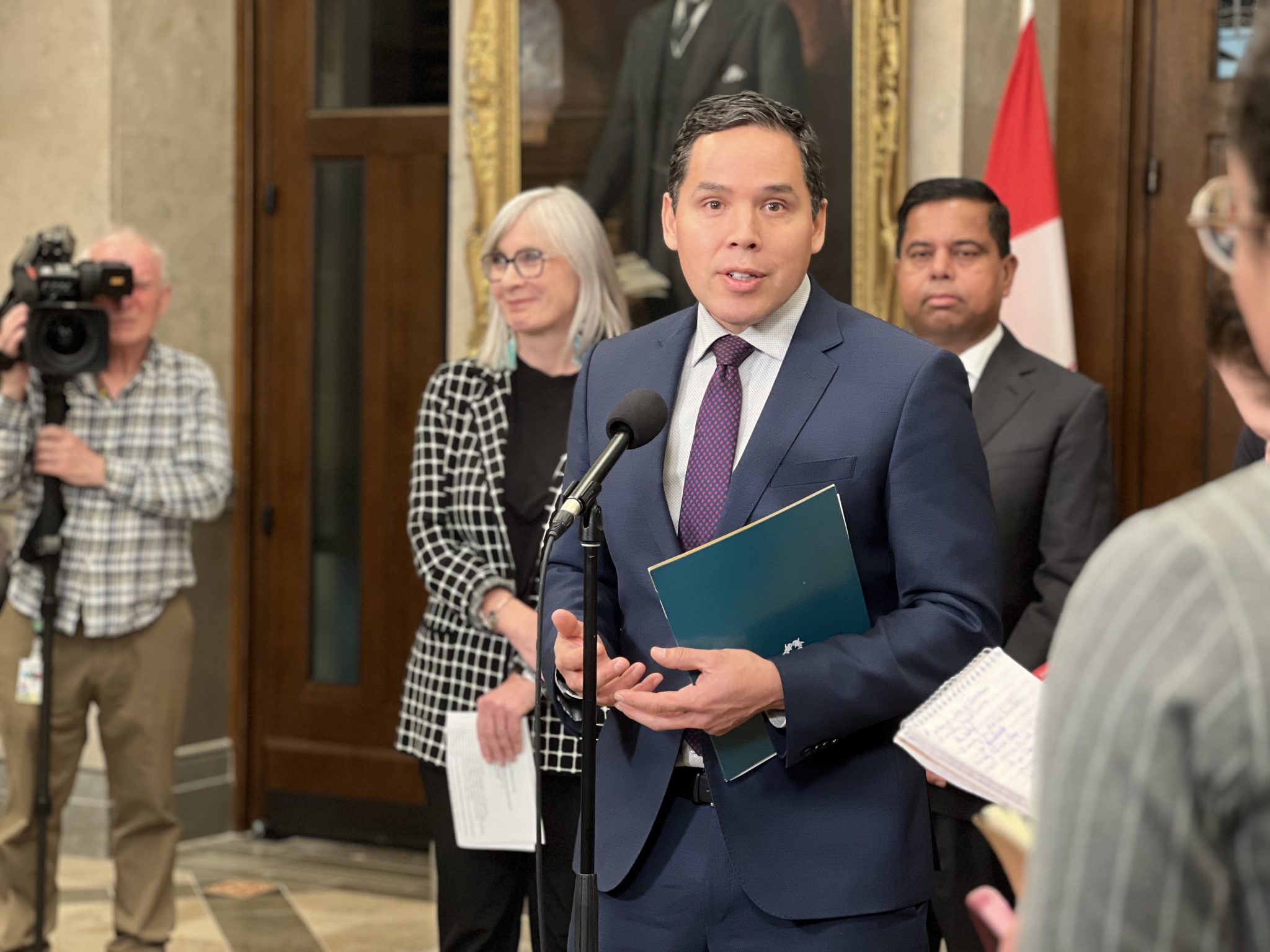
“As a result of colonial systems, many of our families have been torn apart and have suffered devastating intergenerational trauma,” says Natan Obed, President of Inuit Tapiriit Kanatami. “This landmark decision, grounded in the United Nations Declaration on the Rights of Indigenous Peoples, signals an incredible opportunity to transform socio-economic outcomes for Inuit and upholds our right to self-determination, a right that was never surrendered.”

Too many Inuit children and youth have been, and continue to be, placed in care due to a range of issues stemming from a failure to address social and economic inequities among Inuit. Often, conditions that lead to the separation, like poverty and access to medical care, are outside of a family’s control.

Due to the limited number of foster homes, professional services, and residential care facilities throughout Inuit Nunangat, children are often sent outside of their communities and regions to be placed in care.

The Act, which Inuit Tapiriit Kanatami had input in drafting, provides a set of national standards to be applied within child welfare spaces across the country that are based on both the UN Declaration and the UN Convention on the Rights of the Child. The Act also recognizes that it is possible to develop creative solutions within Canada’s constitutional framework to implement Inuit self-determination in relation to the welfare of our children.

This court decision reaffirms Inuit rights to raise our children surrounded by their language, culture, history, and land.

Beth Brown

Author: Beth Brown

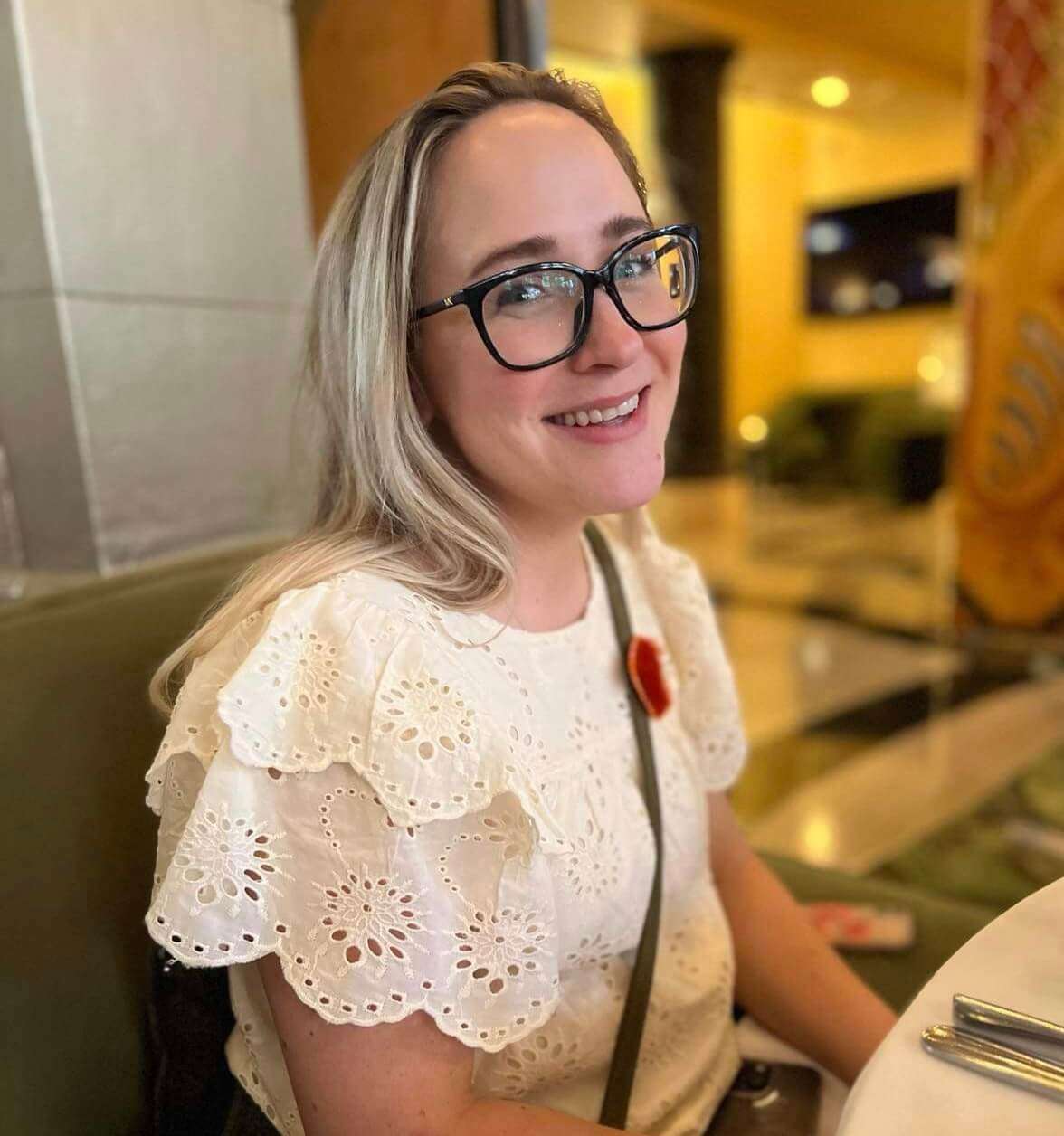
Beth Brown is a Senior Communications Advisor at Inuit Tapiriit Kanatami. She worked previously in Iqaluit as a journalist and in media relations.