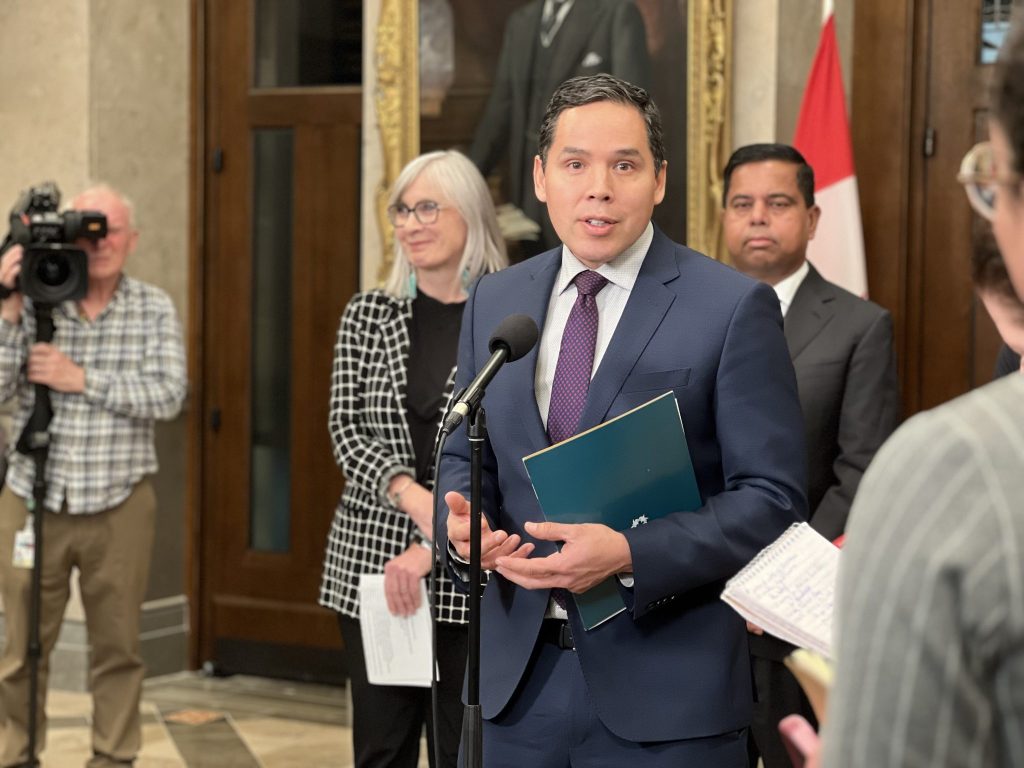
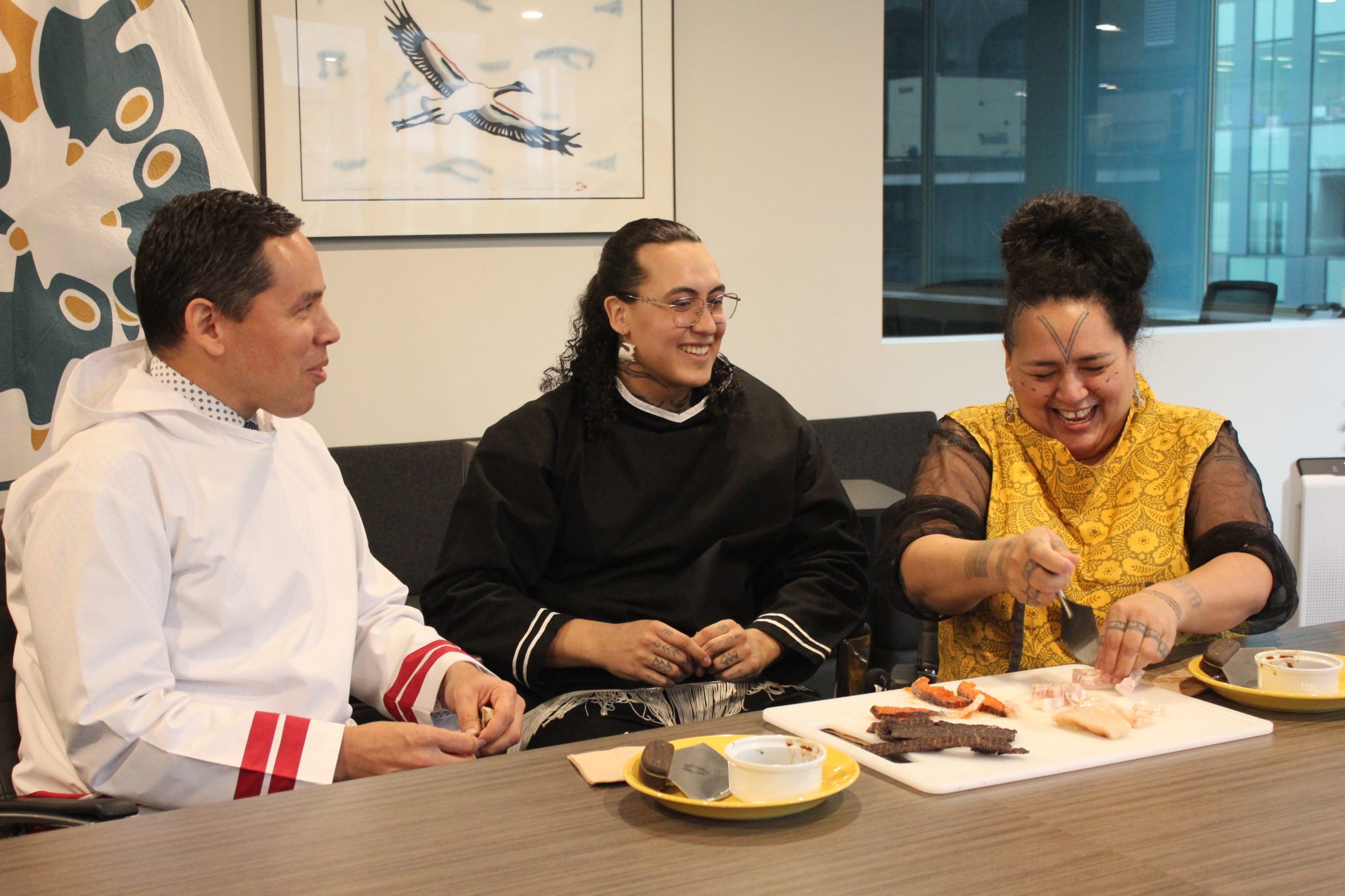
Braden Kadlun Johnston and his mother Hovak Johnston prep country food with ITK President Natan Obed © Lisa Gregoire
Hero of the small screen
FOR BRADEN KALUN JOHNSTON, it just makes sense to have a collection of uluit, Inuit art prints on his walls, and a freezer full of country food like tuktu and maktaaq in his urban Inuk household.
With more than 500,000 combined followers on Instagram and TikTok, the Calgary-based content creator and post-secondary philosophy student is using social media to celebrate Inuit experiences and share his journey to wellness with a global community. Three years into posting videos, he’s thrilled by the popularity of the content, but never planned to see his work strike such a chord with viewers.
“The biggest hits have been about country food—me and my mom eating country food together, just laughing and hanging out,” says Kadlun Johnston, who grew up in Yellowknife but is originally from Kugluktuk. These slice-of-life moments caught on camera might be regular for Inuit, he says, but there is a lot of curiosity from his non-Inuit audience who are often “pretty bamboozled” to see him eating raw or frozen foods.
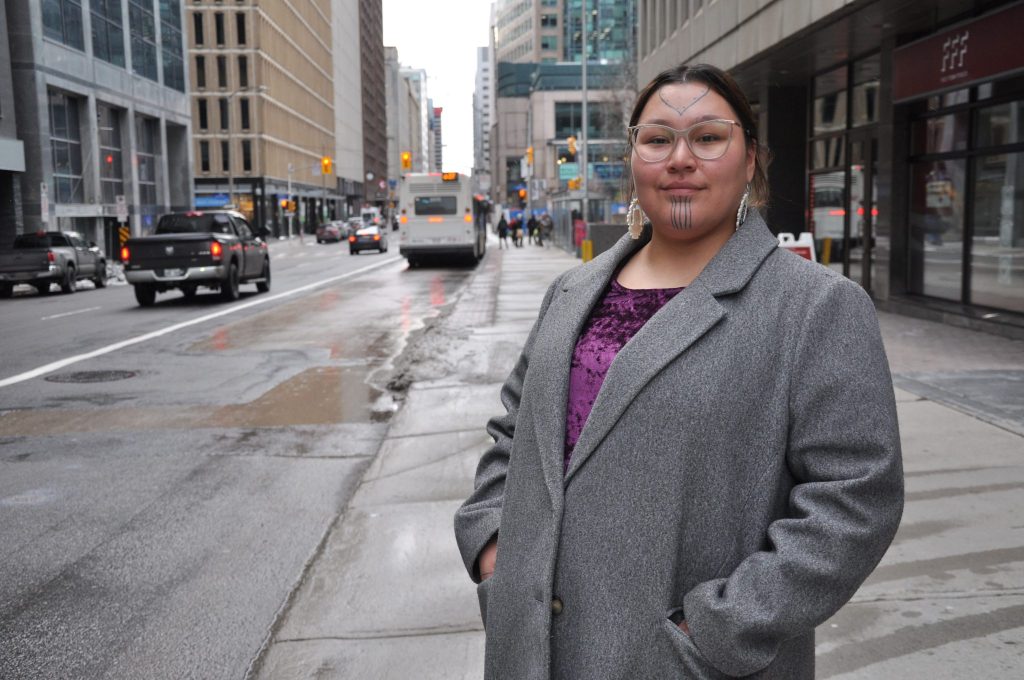
Kadlun Johnston works with his mother Hovak Johnston—who is known for her work revitalizing the art of Inuit tattooing—to share lessons like how to say hello in Inuinnaqtun (Aatituu); score maqtaaq with an ulu to make it easy to eat, and talk about Inuit practices like shamanism
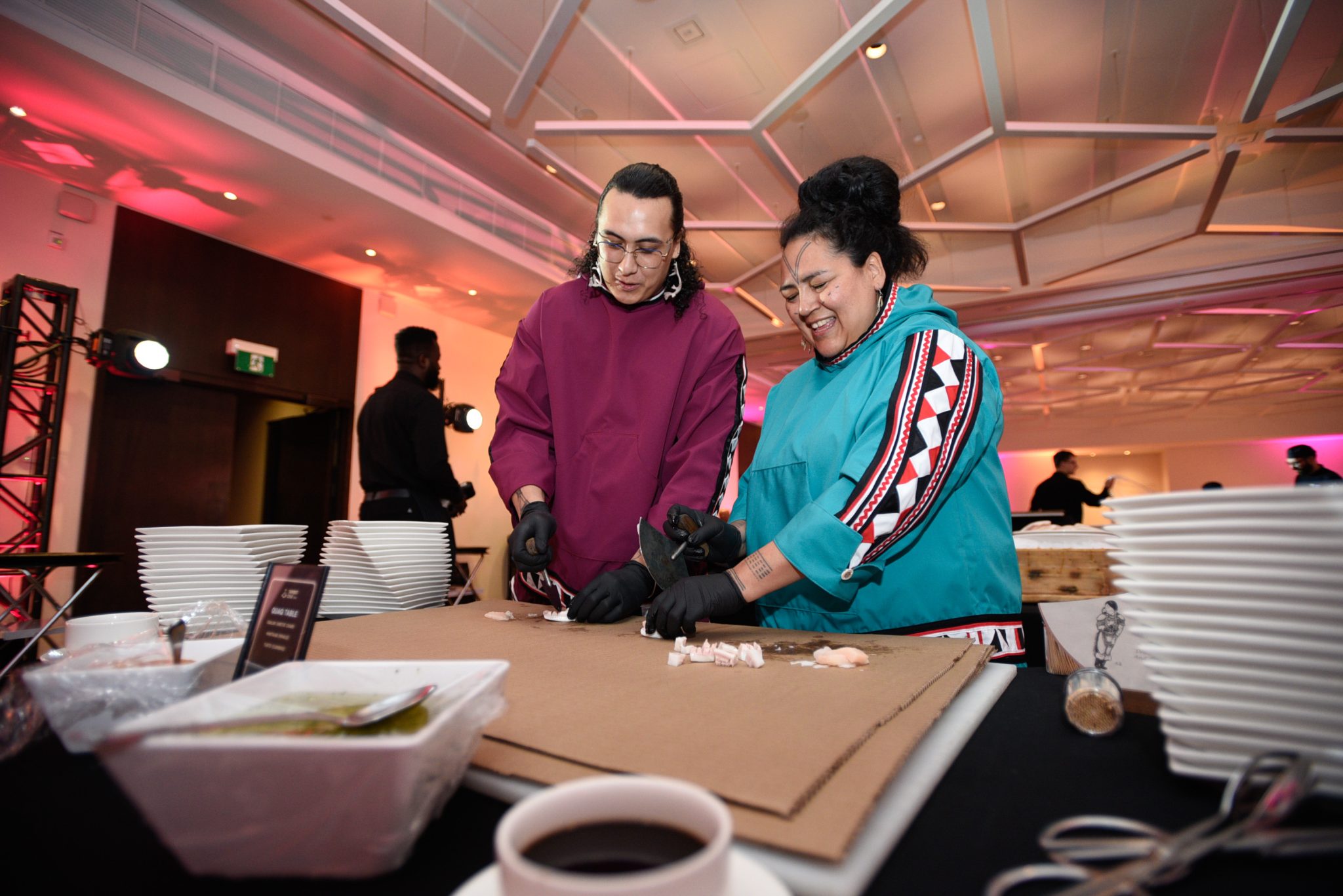
The mother-son duo host the quaq table at ITK’s annual food and cultural event, Tapiriit 2024 © Cynthia Munster
Enjoying tuktu and maktaaq in one video, Kadlun Johnston says, “I have Rudolph the reindeer and sea unicorn for the most mythical and mystical surf and turf ever.” He explains that when eaten raw and frozen he finds caribou meat to be like “the most wonderful beef jerky you could possible make,” while the narwhal skin has a “unique and unexplainable” fishy taste that combines well with salty soya sauce. While an acquired taste, maktaaq is a special snack for him while he’s living in the South. “I eat it when I’m missing home,” he says.
In all his content, Kadlun Johnston strives to be his own authentic self, and sometimes that means the videos aren’t always light. After struggling privately with substance abuse for seven years, he took a break from university to attend a rehab program with the support of his family.
“They didn’t put a timeline on my healing. I’m really grateful. It’s not something a lot of people have access to in my situation,” he says. His videos are an honest expression about healing from addictions to alcohol, marijuana, and other stimulants while growing mentally stronger.
“I don’t just share about my good days; I share what my bad days are. I’m trying to share whatever I can that might help people find their way,” he says. “It’s hard at the start but you get better at dealing with the adversity.”
While the content was at first a way to address a gap in Inuit representation on social media, online exposure has led him to other opportunities. At a National Gathering for Truth and Reconciliation in outside Toronto in September 2022, Kadlun Johnston and his mother together shared their experiences related to intergenerational trauma and residential school. In 2023, the pair were invited as guest speakers for wellness organization Embrace Life Council’s Nunavut Youth Peer Leadership Program. This past spring the duo hosted the quaq table at ITK’s annual food and cultural event, Tapiriit. In person or on screen, the two bring a celebratory vibe that is infectious to all around them.
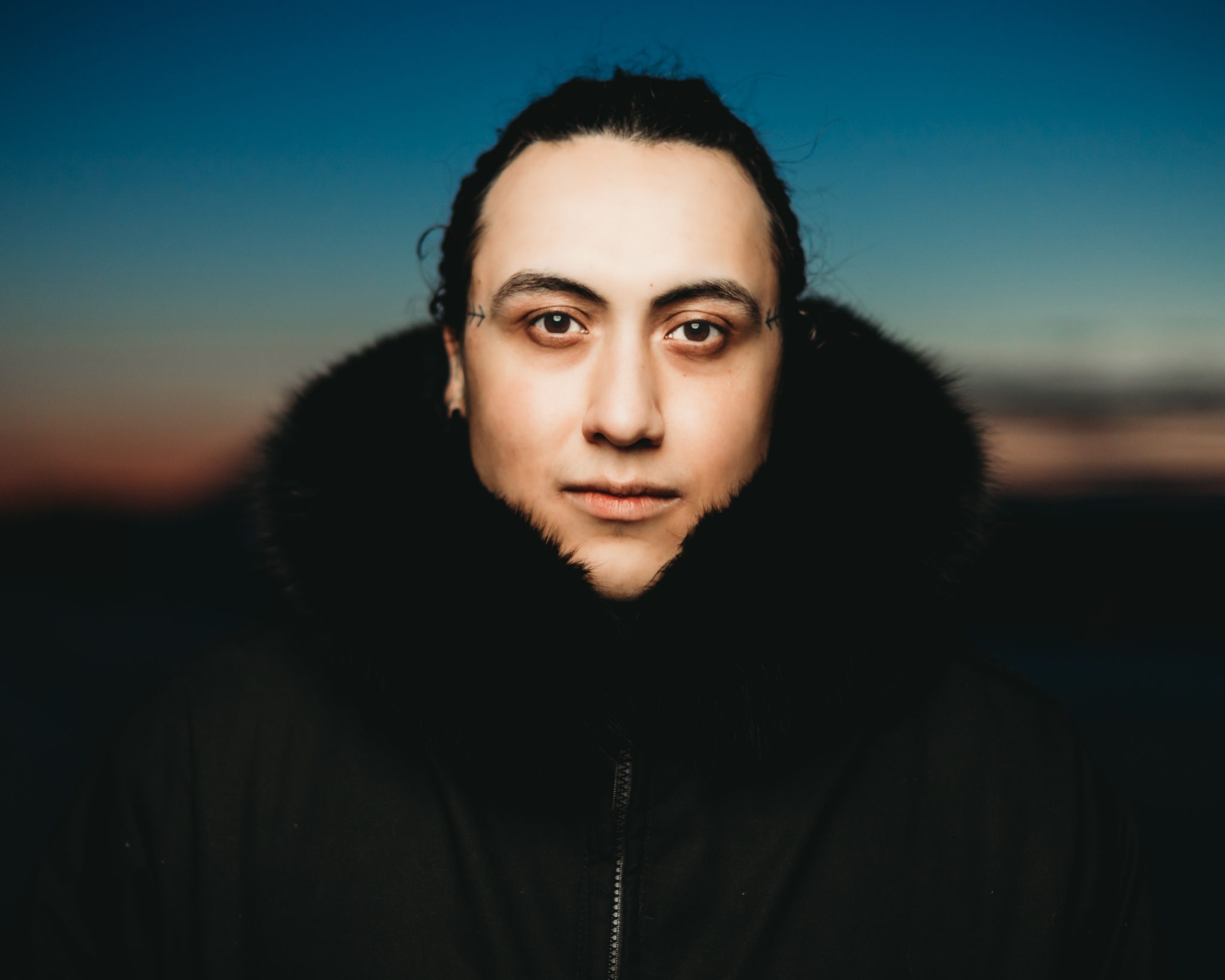
Content creator Braden Kadlun Johnston is using social media to share Inuit culture with a global community. © Jamie Stevenson Photography
“My mother is probably my biggest inspiration. She’s the one who taught me how to heal,” he says. “Watching her go through her own healing journeys paved the path for me to go through mine. Making these videos together led us to become friends. So, whenever we get to share, it’s always a lot of fun.”
Having started posting videos at age 23, Kadlun Johnston has found other Inuit youth are especially receptive to his story. Youth connect with his lived experience, he says, and see it is possible for someone close to their age to successfully navigate hardships and still find success and fulfillment in life.
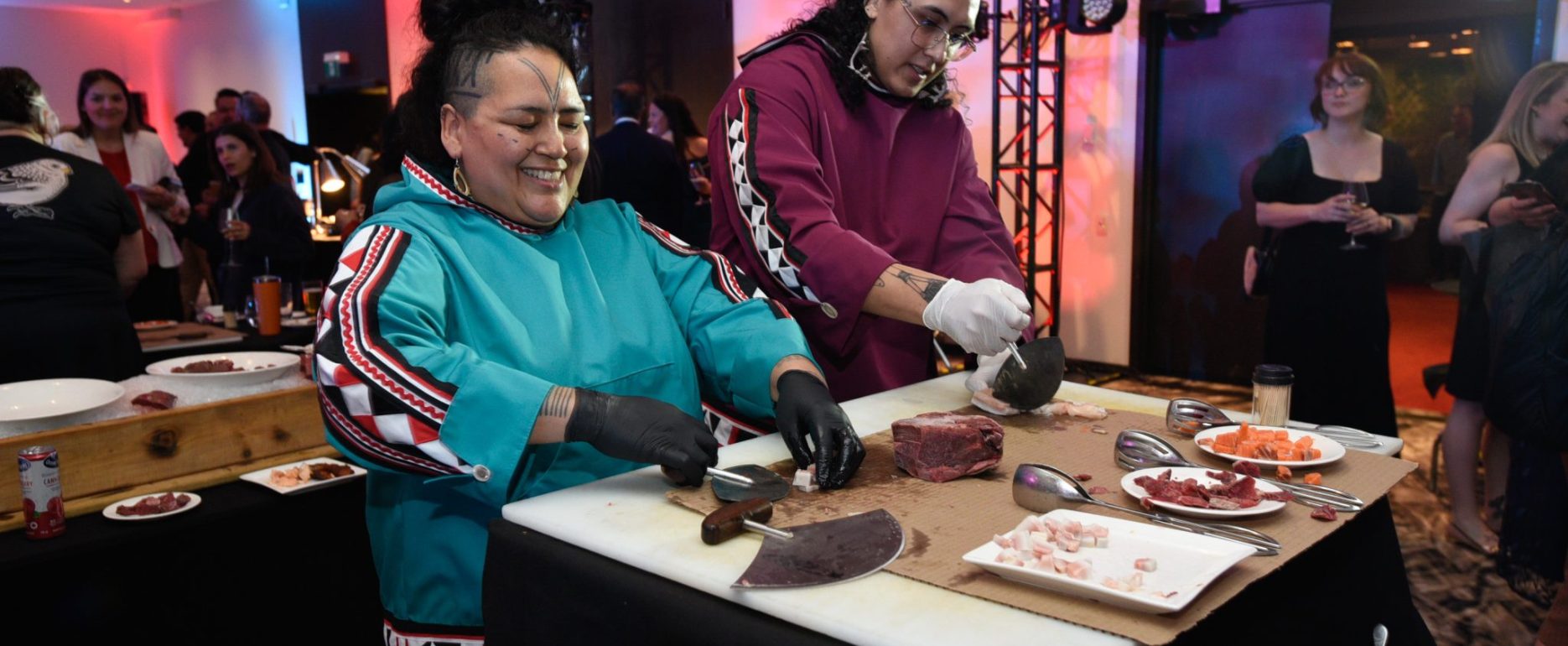
Braden Kadlun Johnston and Hovak Johnston at Tapiriit 2024. © Cynthia Munster
“If you asked me four-and-a-half years ago when I first started recovery if I would ever see myself sharing to such a large audience about my recovery journey, I wouldn’t believe you. Having been able to come such a far way is an honour.”
That’s the thing about sharing country food, it brings out people’s stories, common experiences, and creates space for connection.
With a book in the works with Inhabit Media, continued studies at the University of Calgary and a new adventure in his personal life through his recent marriage, it’s clear that Kadlun Johnson has lots of story left to follow.
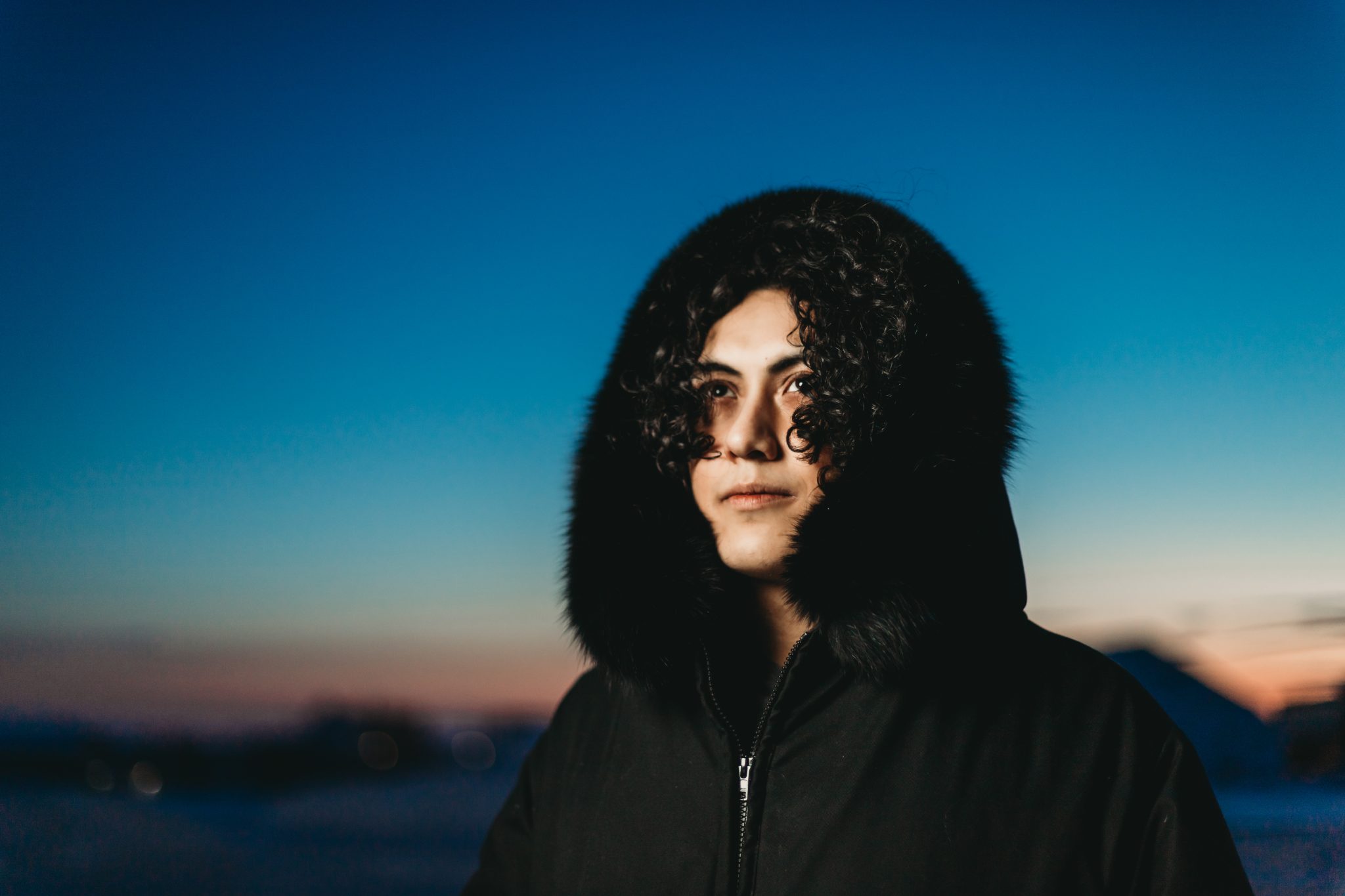
© Jamie Stevenson Photography