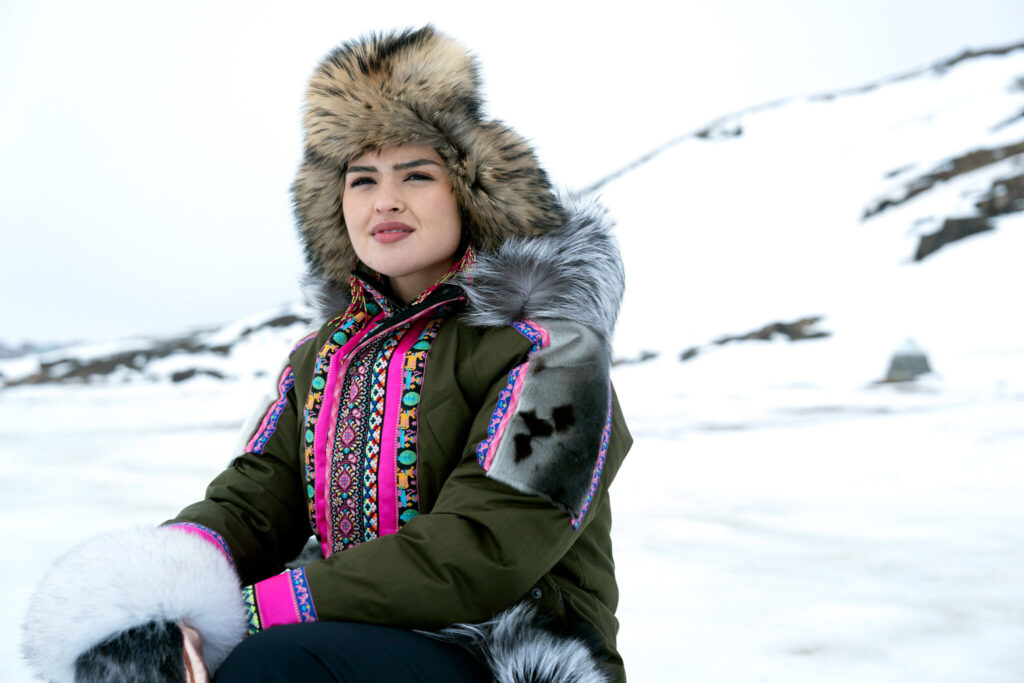
© Saima Romito Kalluk
Our Life’s Work
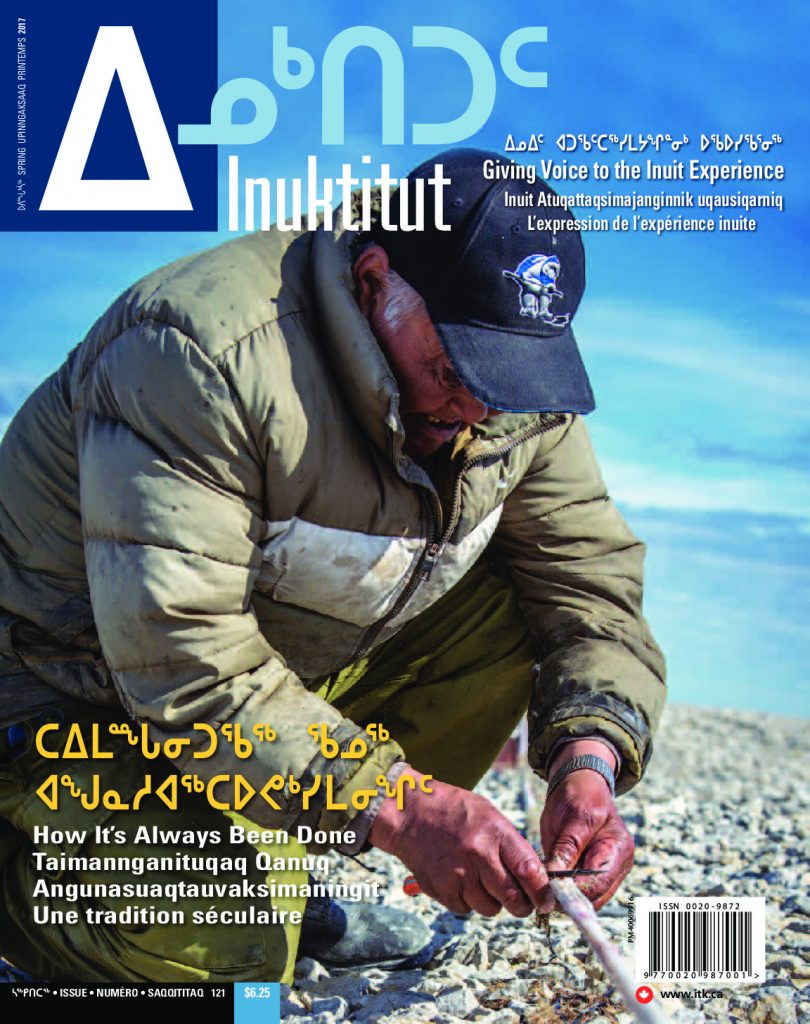
HUNTING HAS ALWAYS been foundational to Inuit values, perspectives, and ways of life. Hunting, and the knowledge, skills, values, language, and expertise related to hunting, are not taught in our school systems. Inuit family and kinship systems have long fostered these skills which are necessary for us to provide for our communities.
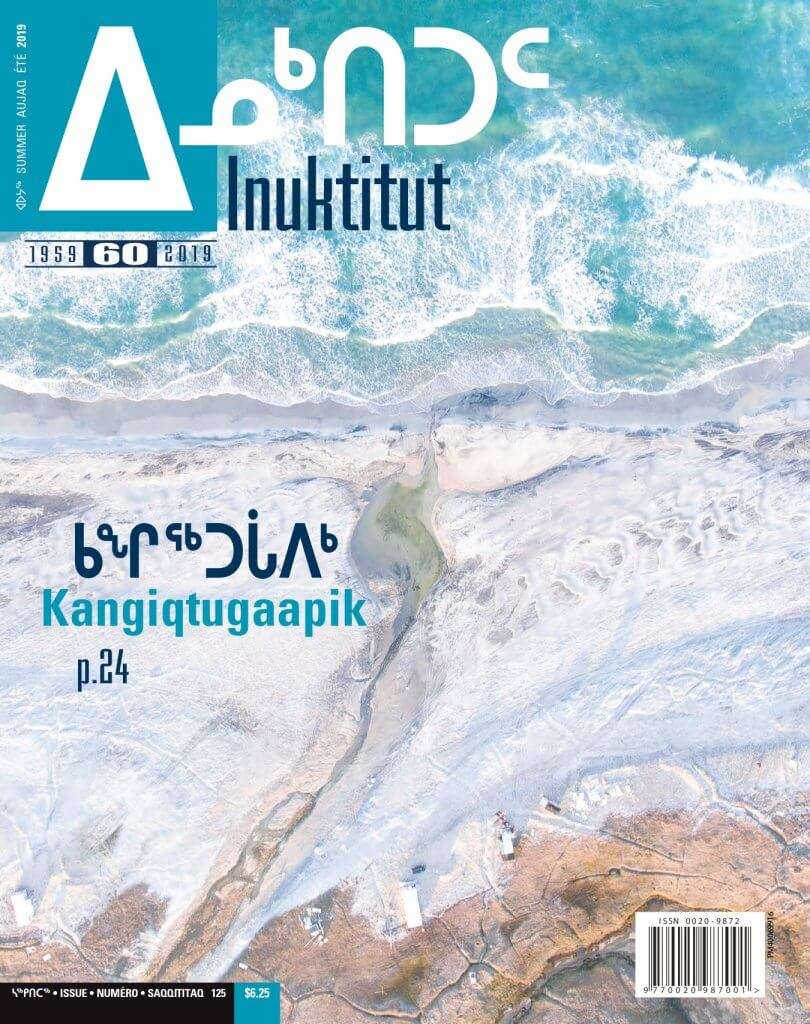
In the Nunavut community of Kangiqtugaapik (Clyde River), hunting and land-based practices as well as broader Inuit Qaujimajatuqangit are thriving, thanks to the Angunasuktiit program, a hunting instruction program run by the Ittaq Heritage and Research Centre, a division of the not-for-profit Ilisaqsivik Society.
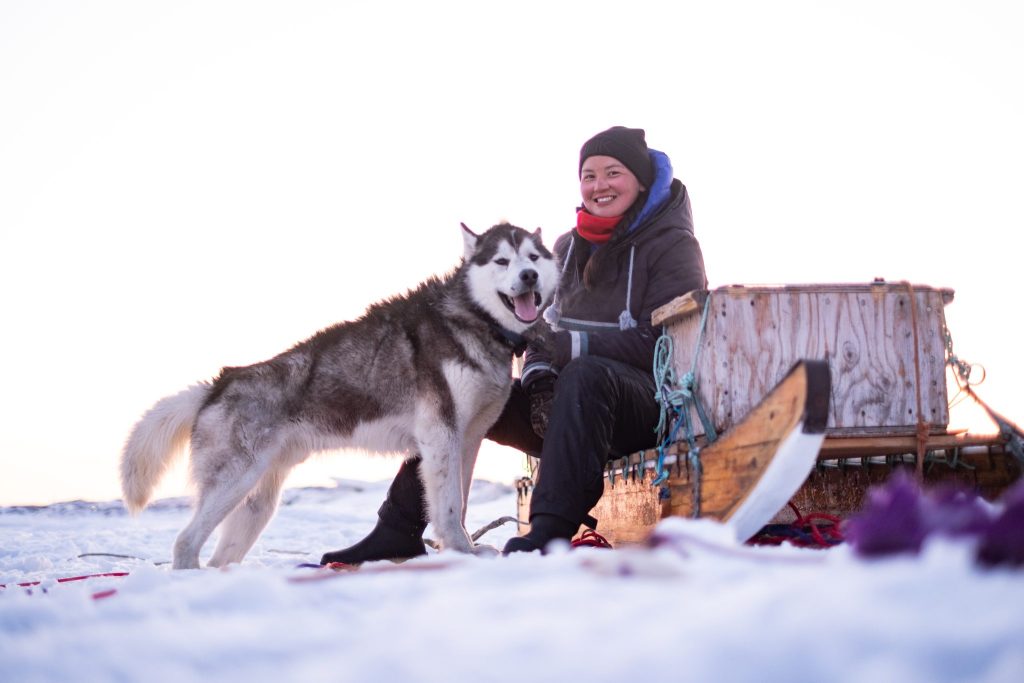
© Saima Romito Kalluk
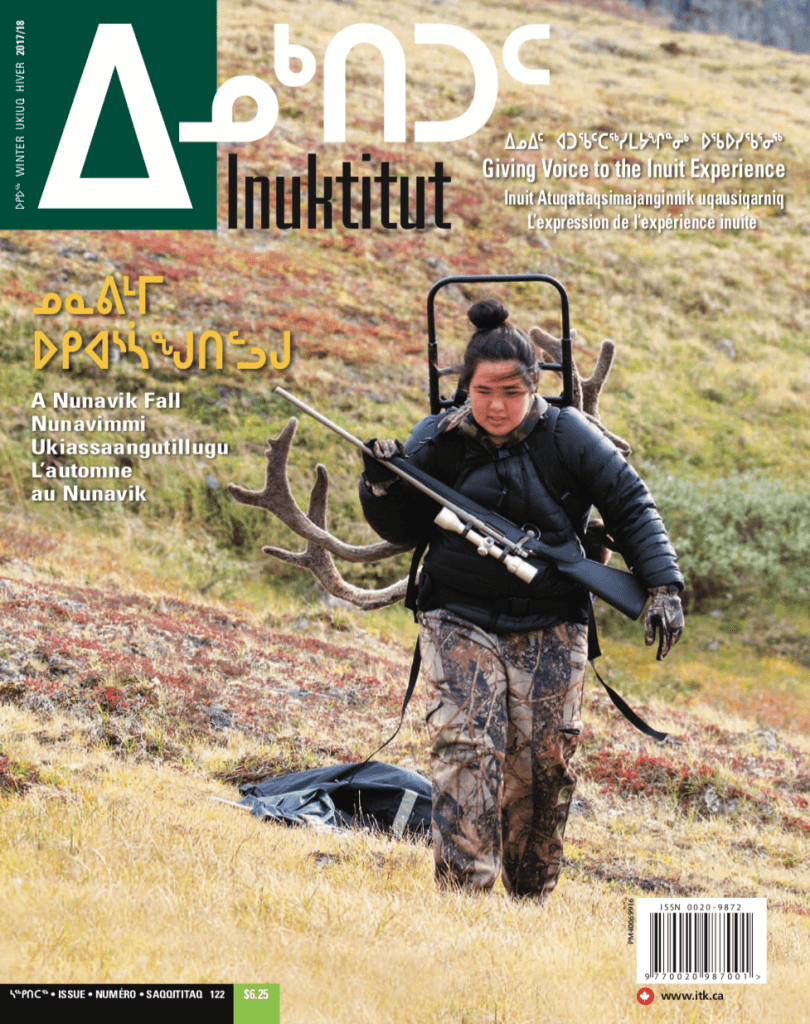
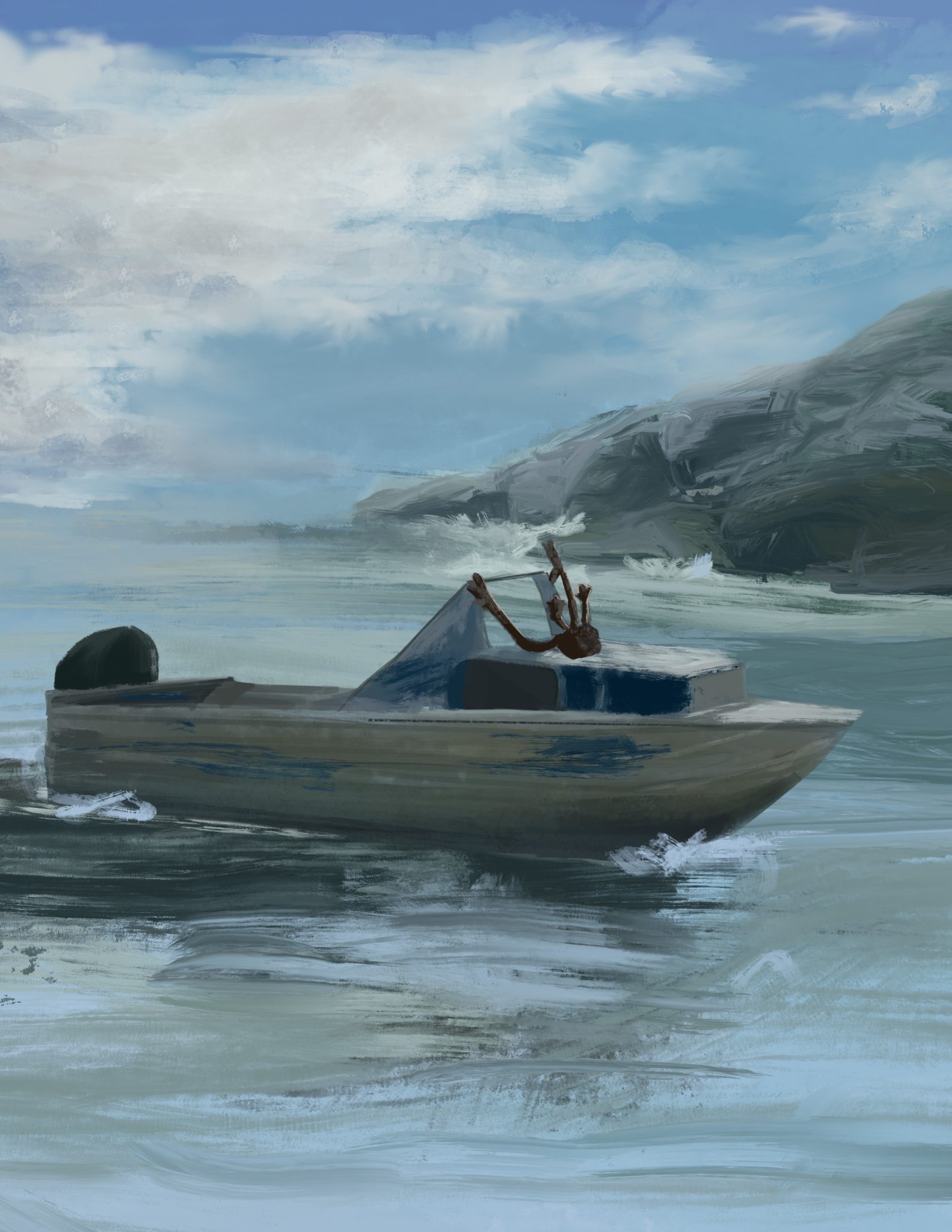
Known as Angunasuktiit, these hunters harvest food for the community, teach knowledge and skills to program participants, conduct environmental research and monitoring, help in search and rescue operations and assist other community members, hunters, and Elders.
“Inuit are a hunting society,” says Angunasuktiit research and support team member Kunuk Inutiq. “Our beliefs, worldview and philosophies revolve around a hunting way of life. There is so much love and care involved in going out to get food for you, your family and community.”
Hunters working in the program are paid full-time, both to advance their skills and to share their expertise. This is a pragmatic way to address food insecurity in Inuit Nunangat. The Angunasuktiit Program began in 2020 as a pilot project with one full-time hunter and has since grown to include five full-time hunter-instructors as well as support staff and year-round land programming. Although the positive impacts and benefits are clear, in Kangiqtugaapik as well as in other Inuit Nunangat communities, Angunasuktiit operates without core funding. This lack of funding for hunters’ salaries, equipment and other infrastructure poses an ongoing threat to the sustainability of Angunasuktiit.
This program has been successful despite the persistence of colonial policies designed to dismantle systems that support Inuit hunters and harvesting. Before residential schools, community relocations, and other imposed systems disrupted our ways of life, Inuit had structured principles that taught us how to coexist with one another, the land, and animals. Inuit resilience ensures this knowledge continues to be nurtured – and thrives – for the health and sustainability of our families and community.
Angunasuktiit’s success is spreading to other Inuit regions. In January 2023, Ittaq and the Makkovik Inuit Community Government in Makkovik, Nunatsiavut, co-developed a one-year plan to build upon the existing Angunasuktiit Program – to explore a full-time hunting initiative in another Inuit community. In Makkovik, this pilot is offering Inuit-specific workshops that centre on hunting, country food distribution, seal skinning and providing firewood for home heating. Each of these workshops is designed to work closely and share knowledge with community members, and workshops are led by those who have knowledge and close relationships with the land. Importantly for the two communities, this partnership would also provide the rare opportunity to connect with a different Inuit region to share knowledge and traditions related to hunting and connecting with the land.
In the spring of 2023, Makkovimmiut travelled from Makkovik to Kangiqtugaapik to begin this knowledge exchange. The journey took three days with three different airlines. For most of those visitors, it was their first trip to Nunavut, and required travelling through larger centres, such as Ottawa. Flying through southern Canada is an unfortunate but necessary aspect when Inuit travel from one region to another – chartering a plane is another option but one that’s usually unaffordable or inaccessible.
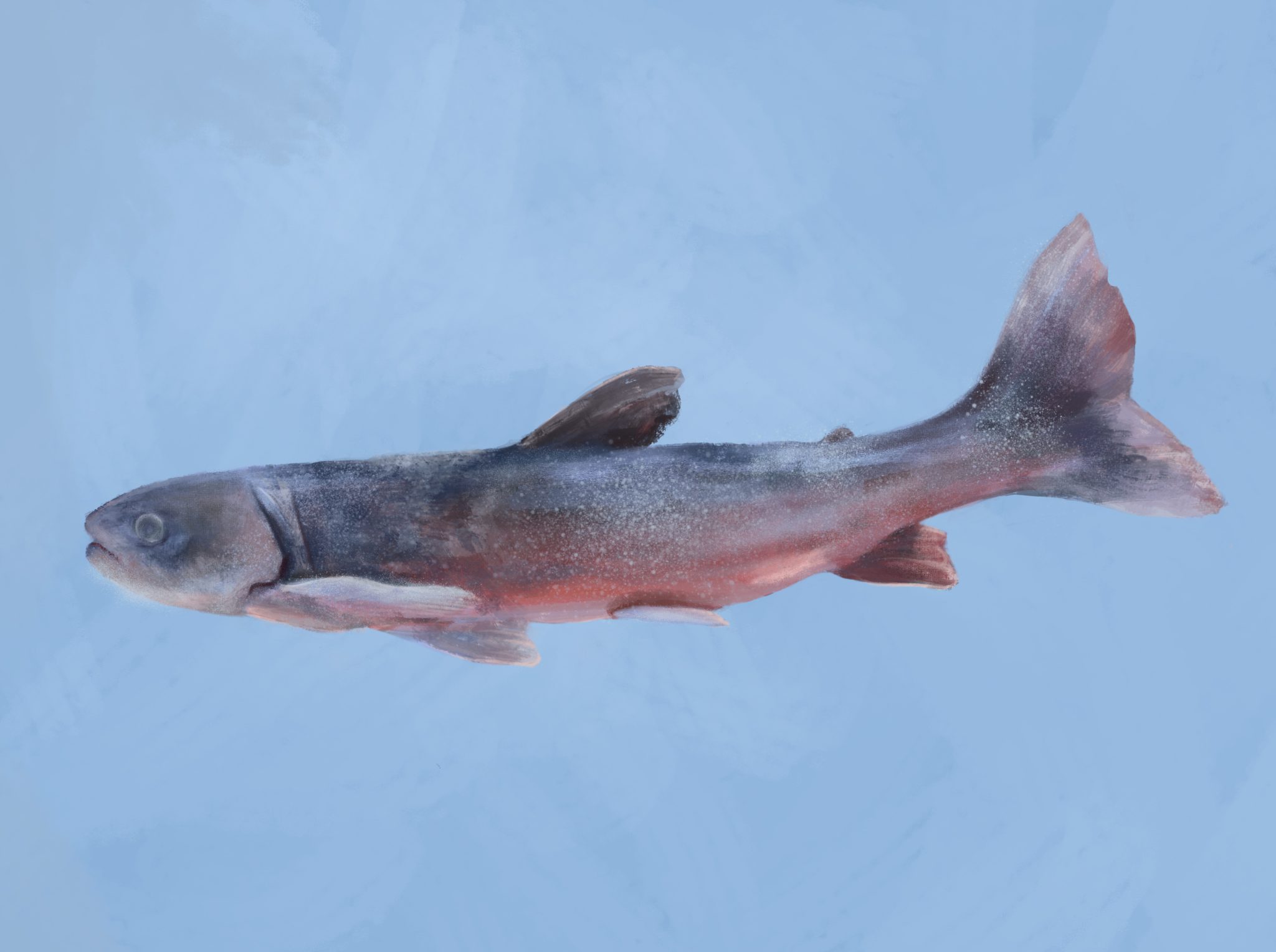
In Kangiqtugaapik, Makkovimmiut visited Ittaq and learned about how staff at Angunasuktiit run day-to-day operations. They saw the information and data infrastructure they have established, such as their local weather station network, how they are guided by Inuit Qaujimajatuqangit, and where they travel for harvesting. While visiting the community, Makkovimmiut were invited to play games with Elders, eat country food with the Angunasuktiit and their families, and visit Piqqusilirivvik, the Inuit cultural school affiliated with Nunavut Arctic College. Kangiqtugaapingmiut welcomed Inuit from another region into their community with open arms. It was an important cultural exchange, allowing Makkovimmiut to experience life in an Inuit community where the dominant spoken language is Inuktut.
© Saima Romito Kalluk
© Saima Romito Kalluk
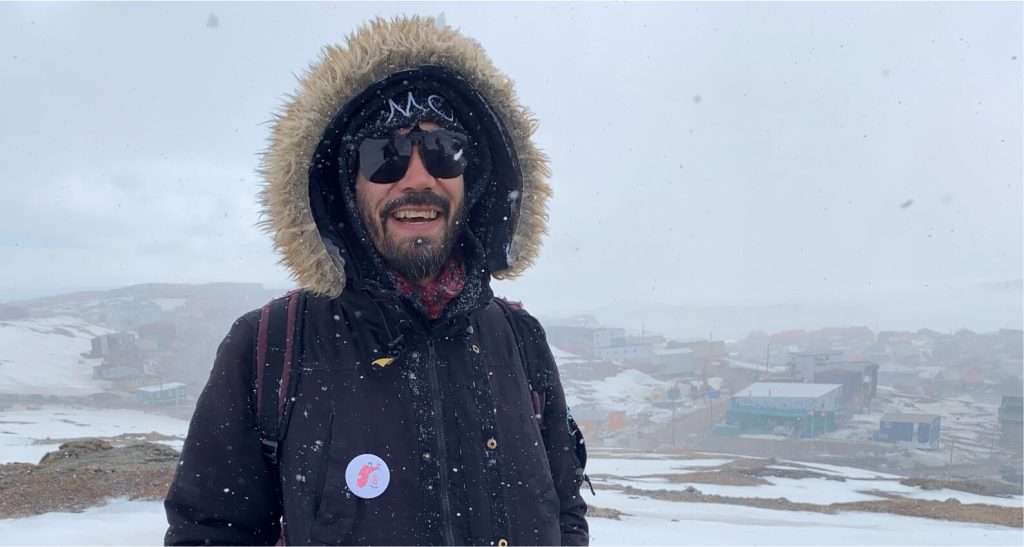
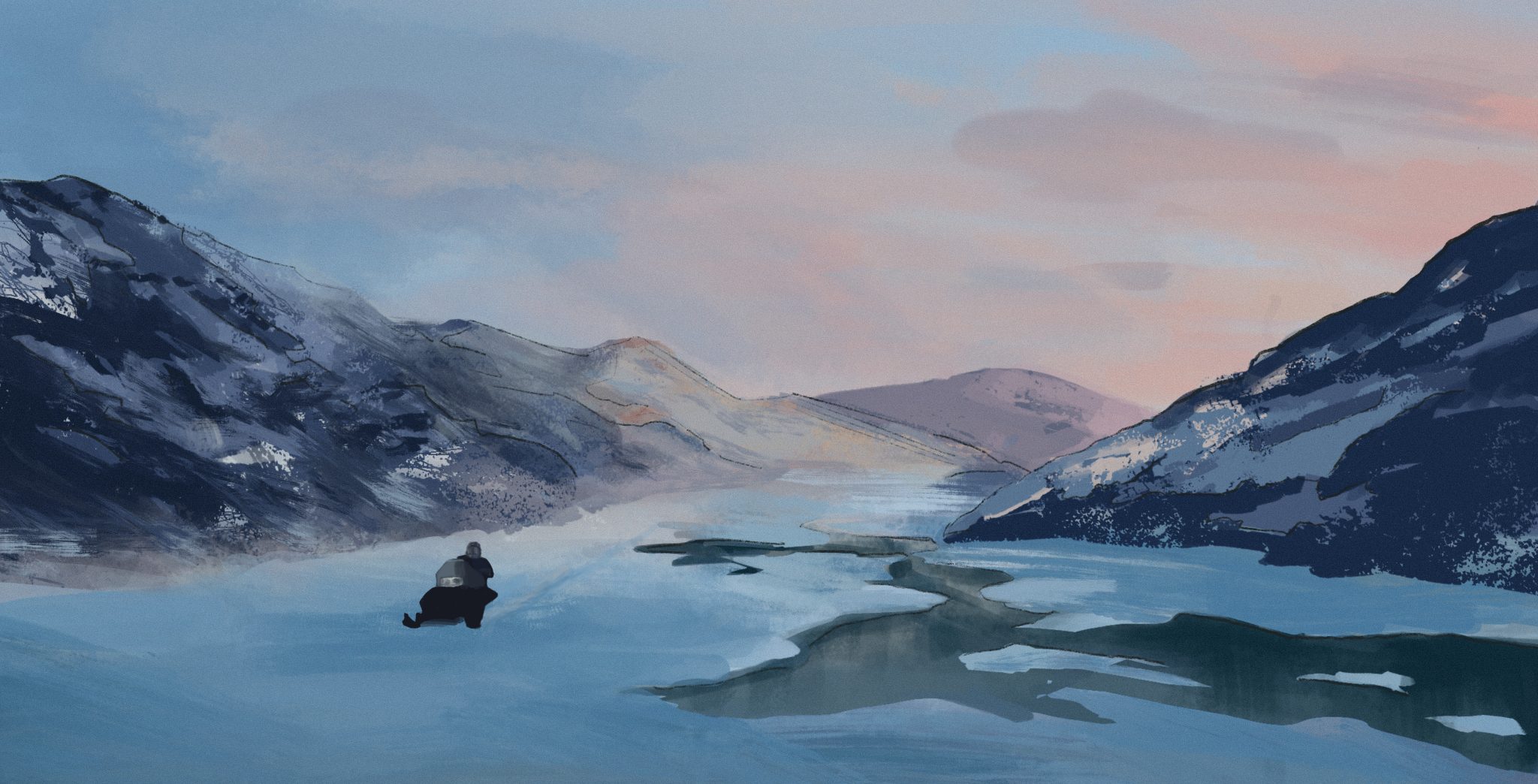
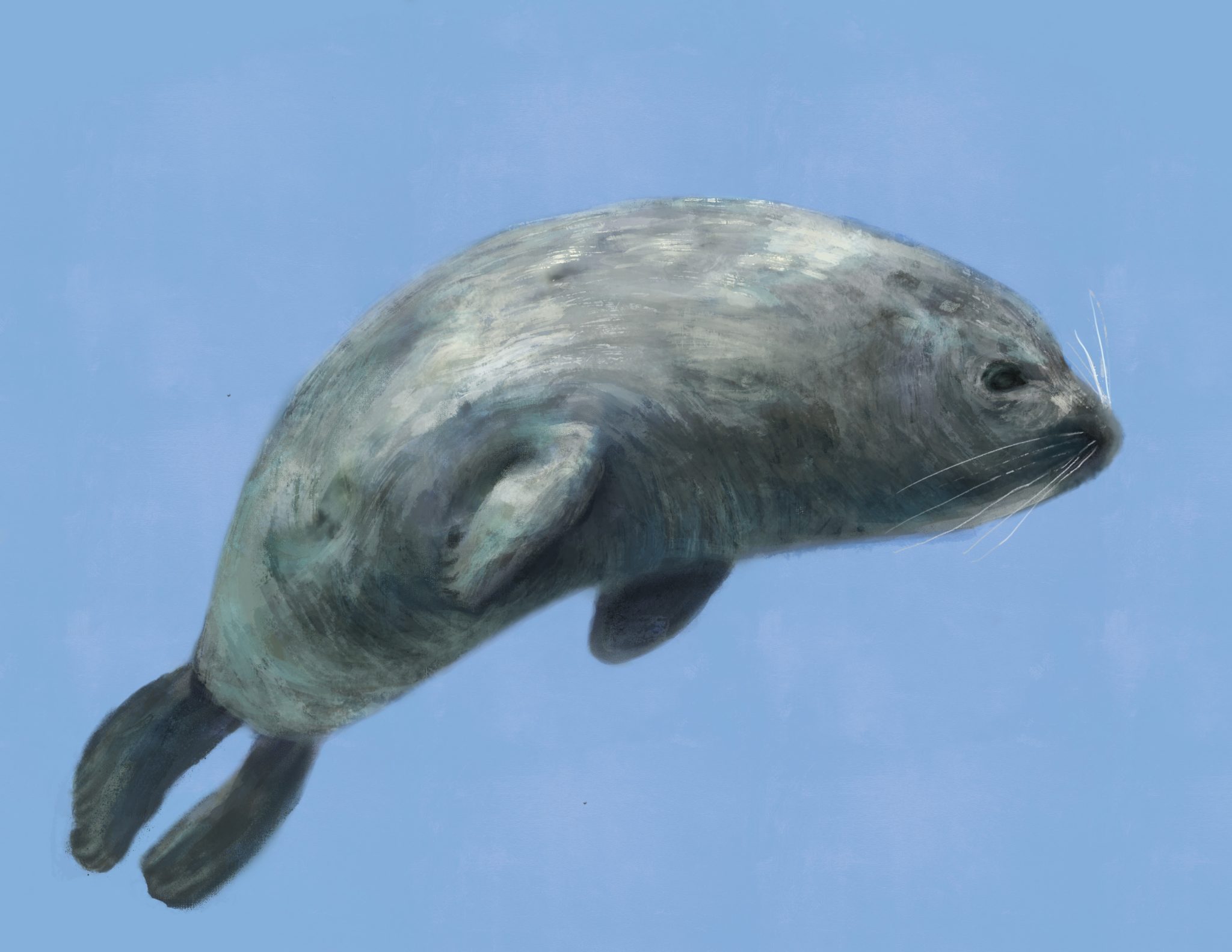
In the fall 2023, a team of nine travellers from Nunavut began making their way to Nunatsiavut and arrived in Makkovik on a snowy day in October. It took 11 stops to fly between Kangiqtugaapik and Makkovik, says Inutiq. While the actual distance between each community is only 1,774 kilometres, the journey was over 6,541 kilometres one-way, through southern Canada. It took more than five days to arrive when it would have taken five or six hours on a more direct flight. “The most difficult part was the travel. It highlighted the separation and difficulty of getting between Inuit Nunangat communities, and what it takes to do in-person cultural exchanges,” says Inutiq. “Once people got together, it seemed the personal interactions and connections were seamless and natural.” In Makkovik, the Angunasuktiit had the experience of hunting different seals and birds, fishing for cod and picking berries. All enjoyed a feast with local hunters and community members, with some of the food being distributed to Elders in the community.
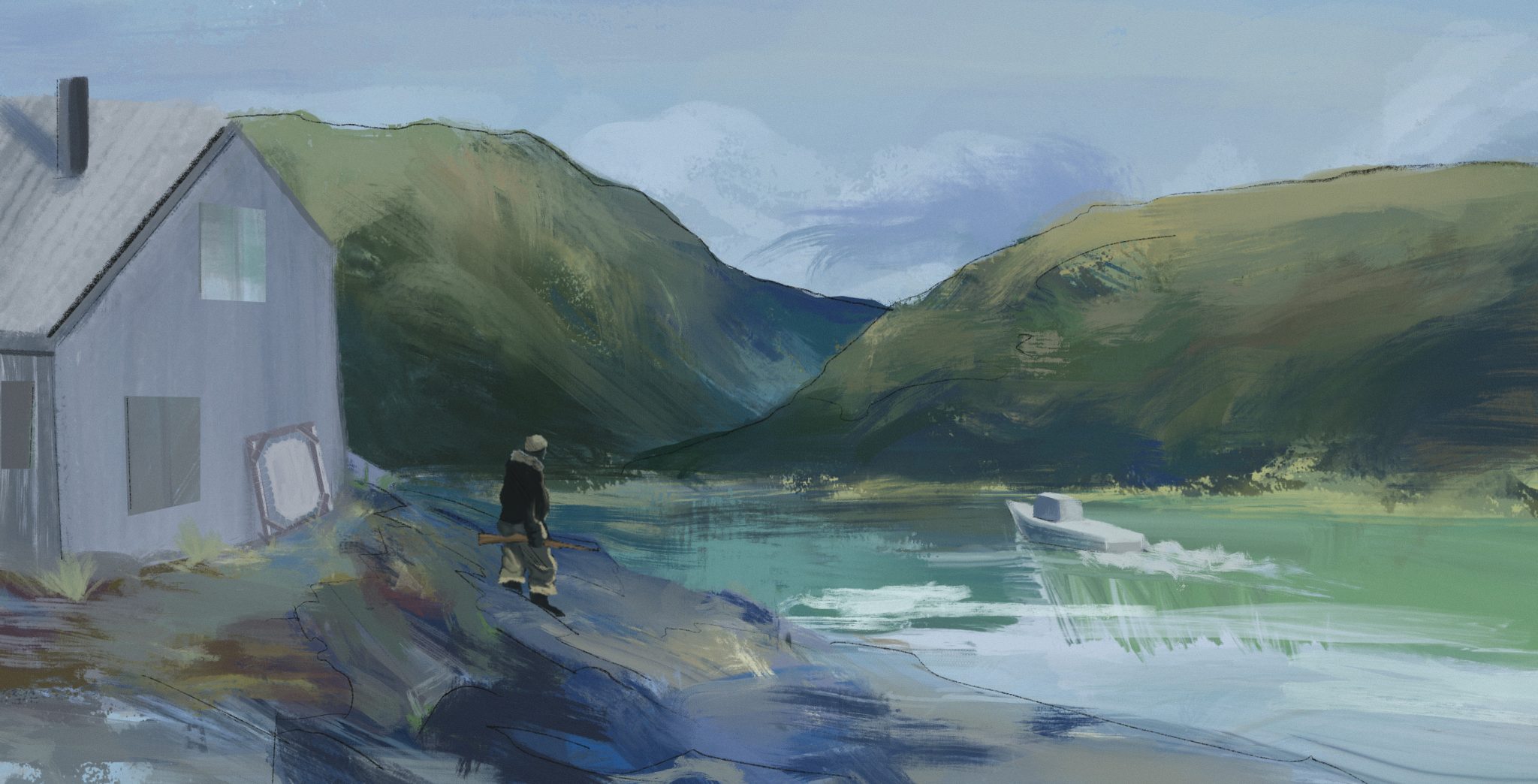
Angunasuktiit provide more than just food. In an era where Inuit are working to address food insecurity, poverty and other social inequities brought on by colonialism, the Angunasuktiit provide a critical link between families, culture and the land. They also provide connection for young hunters in the community who would otherwise not have the same opportunities. The program honours the knowledge that has been passed from our ancestors – which continues to be the basis for providing culturally relevant, locally harvested, and nutritious food that is superior to what we find at local grocery stores. Inutiq says a key aspect of the success of the Angunasuktiit program is that “it allows Inuit to be unapologetically Inuit in Inuit homelands.”
© Saima Romito Kalluk