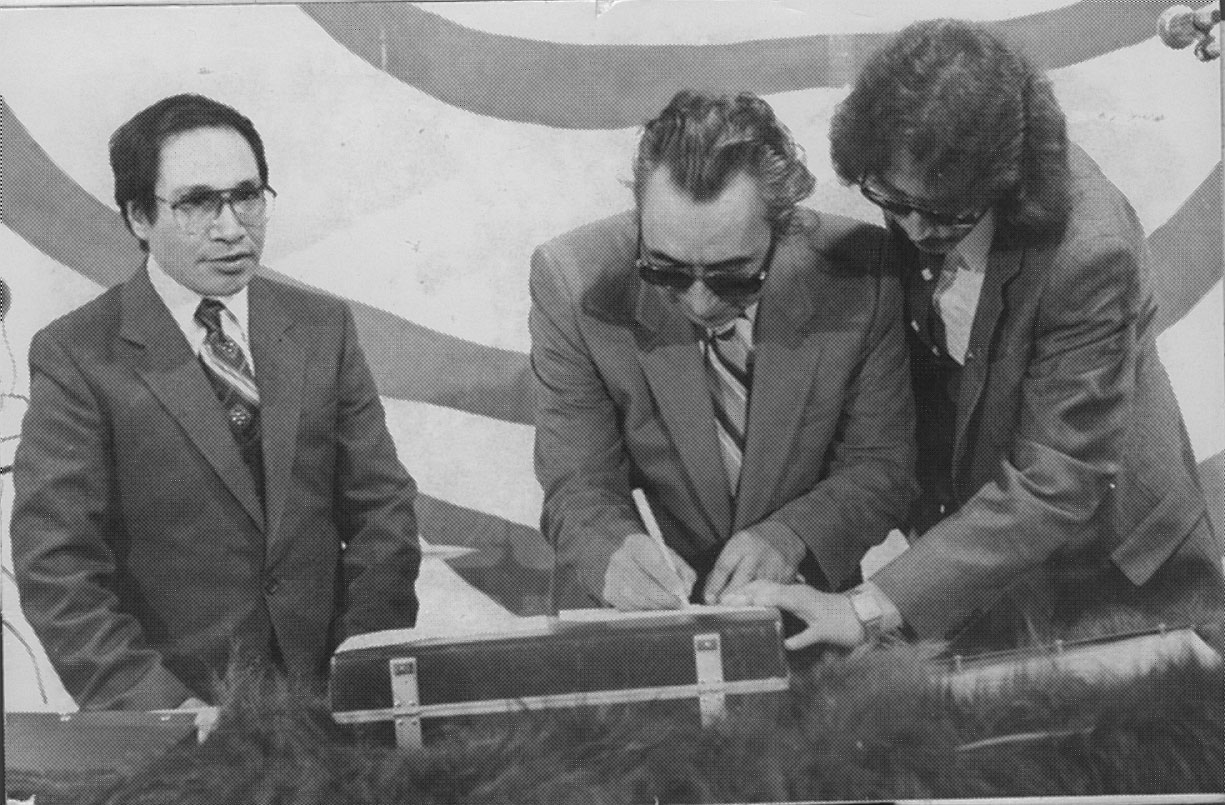
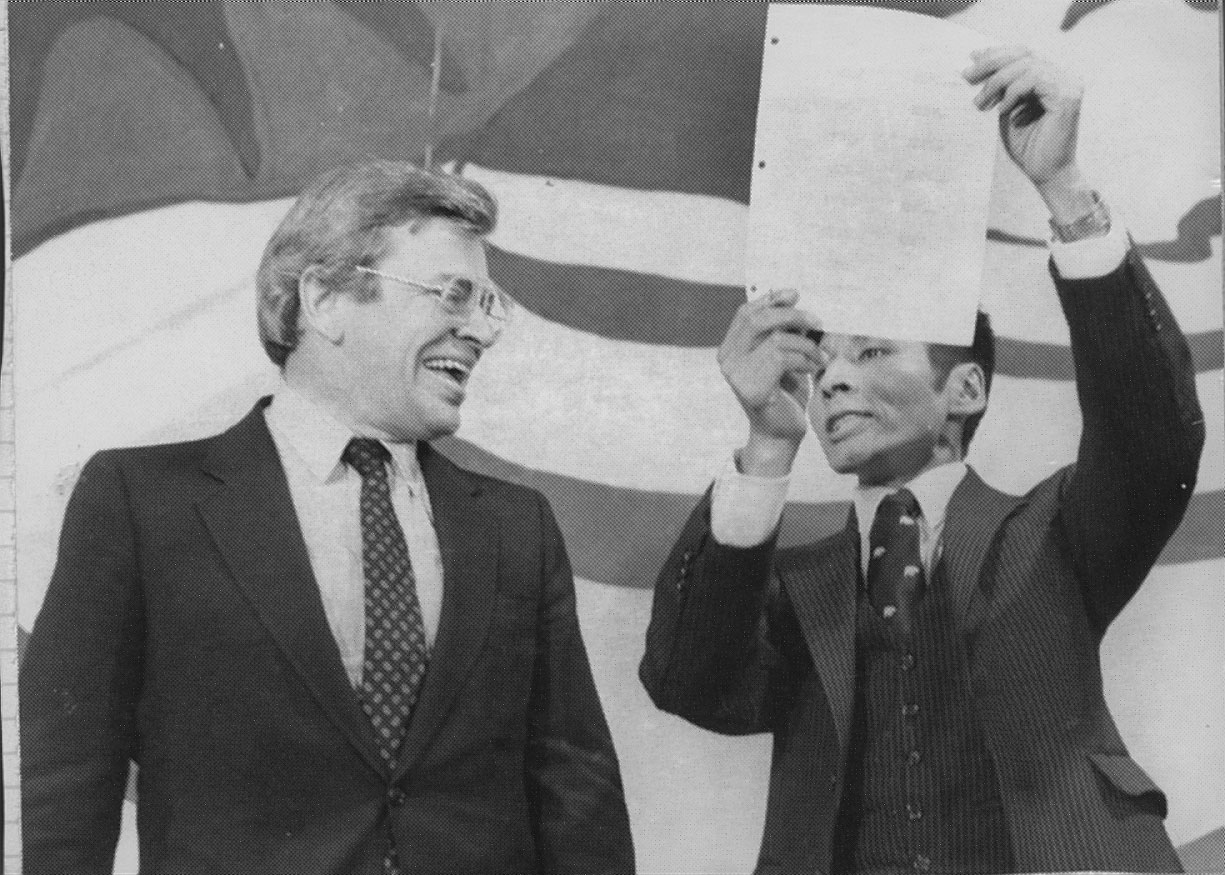
Nellie Cournoyea, Dennis Patterson, and Les Carpenter at the signing of the IFA in Tuktoyaktuk. © Inuvialuit Communications Society
“They Were Proud Inuvialuit”
NWT commissioner reflects on 40th anniversary of Inuvialuit Final Agreement
IT WAS THE MID-70S and Gerry Kisoun was stationed with the RCMP in Calgary, Alberta, when he first heard about negotiations for a Western Arctic land claim that would become the Inuvialuit Final Agreement. He had relatives visiting for political meetings to the city he calls “the heart of oil and gas activity in North America.” They were talking at length about the need for a land claim for Inuvialuit, and for government consultation with communities now that oil, gas, and seismic exploration were becoming common in and around the Mackenzie and Beaufort regions.
“To be right down in that community [Calgary] and see those people working to try to get that information out to our people in the High Arctic was interesting–inspiring,” he said. “I called my mother and asked her, ‘What is a land claim?’”
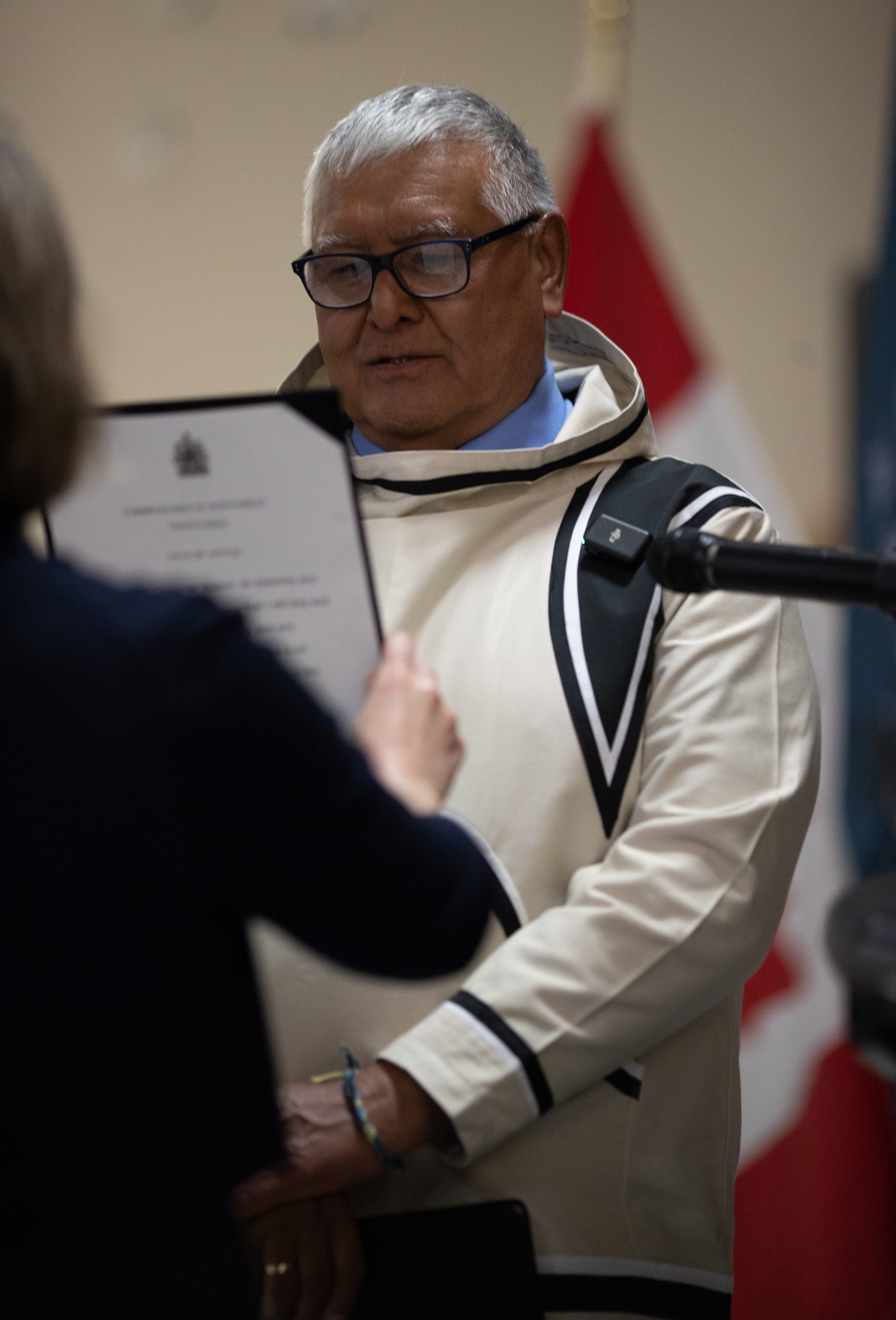
Gerry Kisoun is sworn in as commissioner of the Northwest Territories, May 14, 2024. © Elizabeth Kolb, Inuvialuit Regional Corporation
His parents, Bertha and Victor Allen of Inuvik, “were both very civic minded, always involved in what was happening in our community,” so they would know, says Kisoun, who was sworn in as commissioner of the Northwest Territories on May 14, 2024. As commissioner, Kisoun is the federal government’s representative in the territory. One of his first formal appearances in the new role was to attend an anniversary celebration for the IFA hosted by the Inuvialuit Regional Corporation in his hometown of Inuvik on Inuvialuit Day, June 5, 2024—40 years after the agreement was signed following more than a decade of negotiations.
The agreement—which guarantees land rights, wildlife management and economic gain for Inuvialuit—marked the second modern treaty established between Indigenous Peoples in Canada and the federal government. At the time of its signing, Kisoun was stationed in Pelly Crossing, Yukon. “It was a good feeling,” he said, remembering the emotions of the day.
But to answer his question from some 10 years earlier, “what is a land claim?” Bertha had shared with her son the struggle faced by the many hunters and trappers working in and around the communities of the Inuvialuit Settlement Region: Aklavik, Ulukhaktok, Inuvik, Paulatuk, Sachs Harbour, and Tuktoyaktok. Those hardworking trappers, she said, would come back to town to say their trap lines and the surrounding forests were being damaged, and they’d seen heavy equipment vehicles printed with the names of oil companies pull out of the trees.
“Those people are saying, ‘Wow what’s going on here, we’re trapping and we’re trying to make a living, we need to do something; they’re making trails all over our trap lines out there and nobody is coming to talk to us,” Kisoun remembers his mother saying.
Kisoun’s great‐aunt Agnes Semmler was a signatory to the IFA, and the first president of the IFA negotiating arm, the Committee on Original Peoples Entitlement (COPE). First struck in January 1970, the committee aimed to represent the interests of the western Arctic in resource development and ensure benefits came to the communities. But it would be four years before negotiations began with Canada. Kisoun says a common goal led to strong relationships between the members of COPE, which included his parents.
“They had to do something for the people. They were proud Inuvialuit, proud Gwich’in, and they were being bombarded by companies coming in and looking for oil and gas,” says Kisoun. To promote their cause, there were trips to Ottawa, but also throughout the region. “They were meeting with each other in different communities to talk about strategy and what might be the next step,” he said. “They were working steady. I remember coming home a few times and they were putting in long hours. They said, ‘Yes, it’s something we have to do for our children.’”
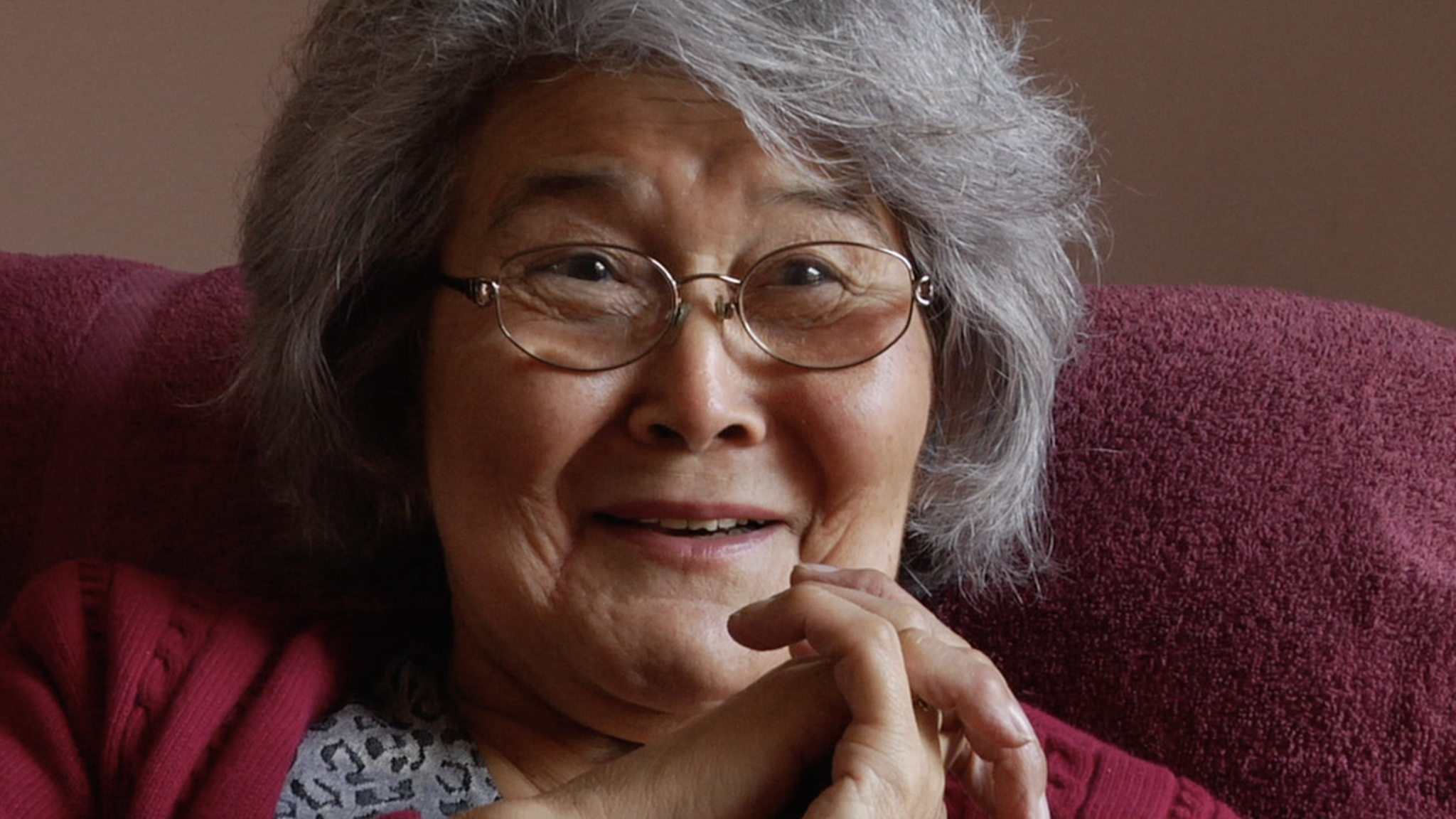
Kisoun’s mother Betha Allan worked to see rights established for hunters and trappers in the Inuvialuit Settlement Region. © Elizabeth Kolb, Inuvialuit Regional Corporation
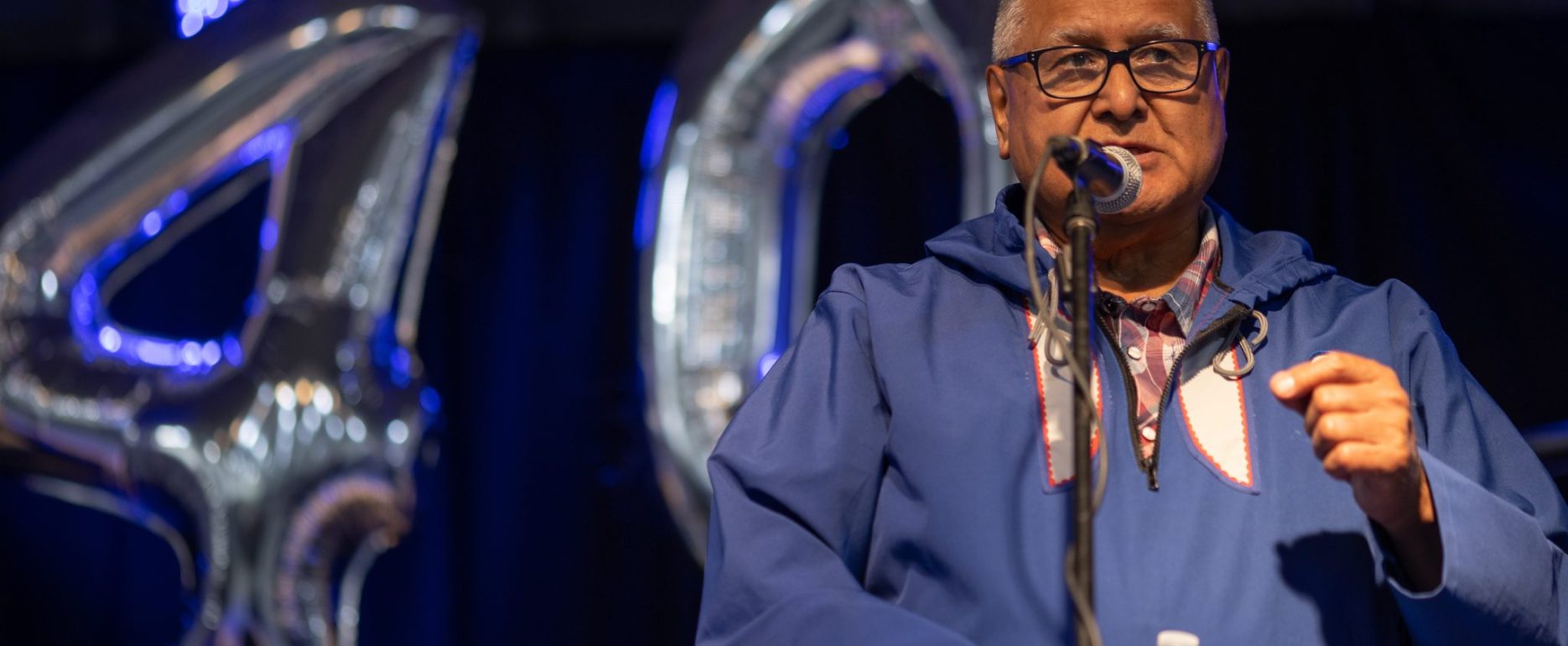
Northwest Territories Commissioner Gerry Kisoun at 40th anniversary celebrations for the Inuvialuit Final Agreement in Inuvik, June 5, 2024. © Elizabeth Kolb, Inuvialuit Regional Corporation
In the IFA, Inuvialuit agreed to give up their exclusive use of their ancestral lands in exchange for certain other guaranteed rights from the Government of Canada. The rights came in three forms: land, wildlife management and money. The IFA assigns roughly 90,000 square kilometers of surface lands and roughly 15,000 square kilometers of underground resources to Inuvialuit. The principles of the IFA are to preserve Inuvialuit cultural identity and values within a changing northern society, enable Inuvialuit to be equal and meaningful participants in the northern and national economy and society, and protect and preserve the Arctic wildlife, environment and biological productivity.
Kisoun says the success of this Inuit Nunangat treaty is reflected in the regional corporation itself, which today is valued at more than $1 billion and employs roughly 300 people. The corporation owns subsidiary businesses that include, among others, property management, construction, an airline, petroleum interests, telecommunications and crafts. IRC also provides support to harvesters, and safeguards areas such as continued education, career development and childcare. “People are better off. It’s good to see our own Inuvialuit beneficiaries benefitting from those negotiations so many years ago,” Kisoun said. “I really hope that the Government of Canada, with whom our Inuvialuit people made the agreement, continues to meet its obligations. We have to continue to try to make things better tomorrow for our children and our grandchildren.”
© Inuvialuit Communications Society