We need your input to ensure Inuit Nunangat University’s programs reflect Inuit priorities, knowledge, and ways of learning
Several years ago, a vision took root within the Inuit communities — the establishment of an Inuit Nunangat University, a core investment of the National Strategy on Inuit Education of 2011. This vision, grounded in promoting Inuktut and Inuit ways of knowing, aimed to provide educational and research opportunities for Inuit youth and the wider world. Fast forward to 2017, a pivotal moment arrived when the ITK Board of Directors passed a resolution to develop the university, marking a significant step toward self-determination in higher education.
Supported by the Mastercard Foundation, ITK built capacity and formed the Inuit Nunangat University Task Force. Their mission was clear: to engage Inuit communities in designing a university model aligned with their needs. Guided by their Sivummut strategic plan, the INUTF worked to ensure the model’s viability and sustainability, considering aspects like governance, programming, infrastructure, legal requirements, and finances.
The Inuit Nunangat University Charter underscores the university’s foundation in Inuit self-governance, resilience, and connection to ancestral lands. Inuit Nunangat University is dedicated to reclaiming, revitalizing, and promoting Inuit education, language, and culture, countering the impacts of colonialism and assimilation. Rooted in Inuit qaujimajatuqangit and guided by Inuit maligait, this institution strives to foster decolonization, reconciliation, and respect for Inuit knowledge systems.
As the first Arctic-based university spanning multiple Canadian jurisdictions, Inuit Nunangat University aims to empower students through culturally grounded education, promote regional and global collaboration, and uphold intellectual freedom. It is committed to nurturing future Inuit leaders and scholars who embody and advance Inuit values and traditions.
November 27, 2024 at 100 Wellington in Ottawa
Speaker: ITK President Natan Obed
An Inuit-led, world-class university that helps build a healthy, strong, and vibrant society
A university deeply rooted in our Inuit homeland, leading with Inuktut and Inuit culture and values to:

Inuit have lived independently in our homeland since time immemorial. We have been self-governing and self-sustaining long before European settlers arrived in what is now Canada. Our way of life has enabled us to thrive in the Arctic because we remain deeply connected to and reliant on our ancestral lands. Despite the continuing hardships endured through Canada’s colonial history, our culture and language have prevailed and must be made to flourish according to our own laws, traditions, and educational practices. Inuit Nunangat University (INU) is committed to the reclamation, revitalization, maintenance and promotion of Inuit education, language and culture. The effects of past government actions and policies of assimilation continue to threaten our education, language and culture. Post-secondary institutions have an important active role to play in educating, supporting and promoting decolonization, fostering reconciliation and honoring and respecting Inuit knowledge systems. Inuit Nunangat University (INU) is founded upon an Inuit worldview, by honouring and respecting our knowledge keepers, Elders, Inuktut language speakers and educators who have sustained and promoted Inuit qaujimajatuqangit. We build on this strong foundation of resilience and ingenuity by providing unique post-secondary learning opportunities rooted in Inuit culture, language, and traditional values.
INU is the first university established in the Arctic region that serves multiple provincial and territorial jurisdictions right across Canada. Based on the principle of Inuit Unity, we are committed to providing post-secondary education and research opportunities that contribute to prosperity in the region and throughout Canada and enrich the world. We are also uniquely positioned to facilitate cooperation with Inuit and other Arctic Indigenous Peoples worldwide, while also collaborating with Arctic governments and institutions. Guided by Inuit maligait and driven by our vision and mission, INU prioritizes the empowerment, safety, physical, mental and spiritual wellbeing of students. We do this by providing unique learning environments, rigorous education programs, and an institutional culture that are grounded in, reflects, supports, and promotes our Inuit way of life. The establishment of INU supports intellectual and academic freedom through inquiry, diversity, and equal opportunities for all. We are committed to nurturing future generations of leaders, scholars, and changemakers who uphold our shared beliefs and values.
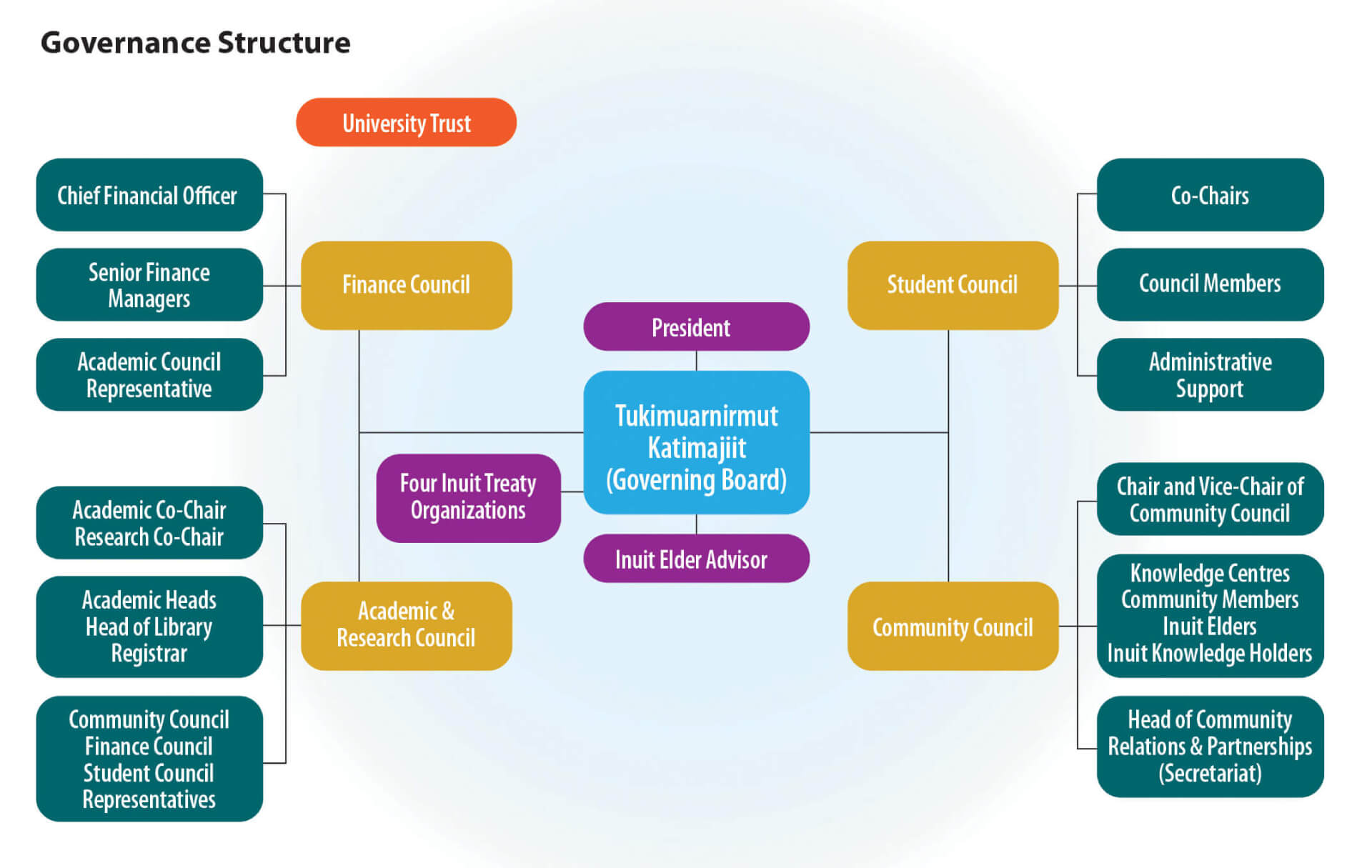
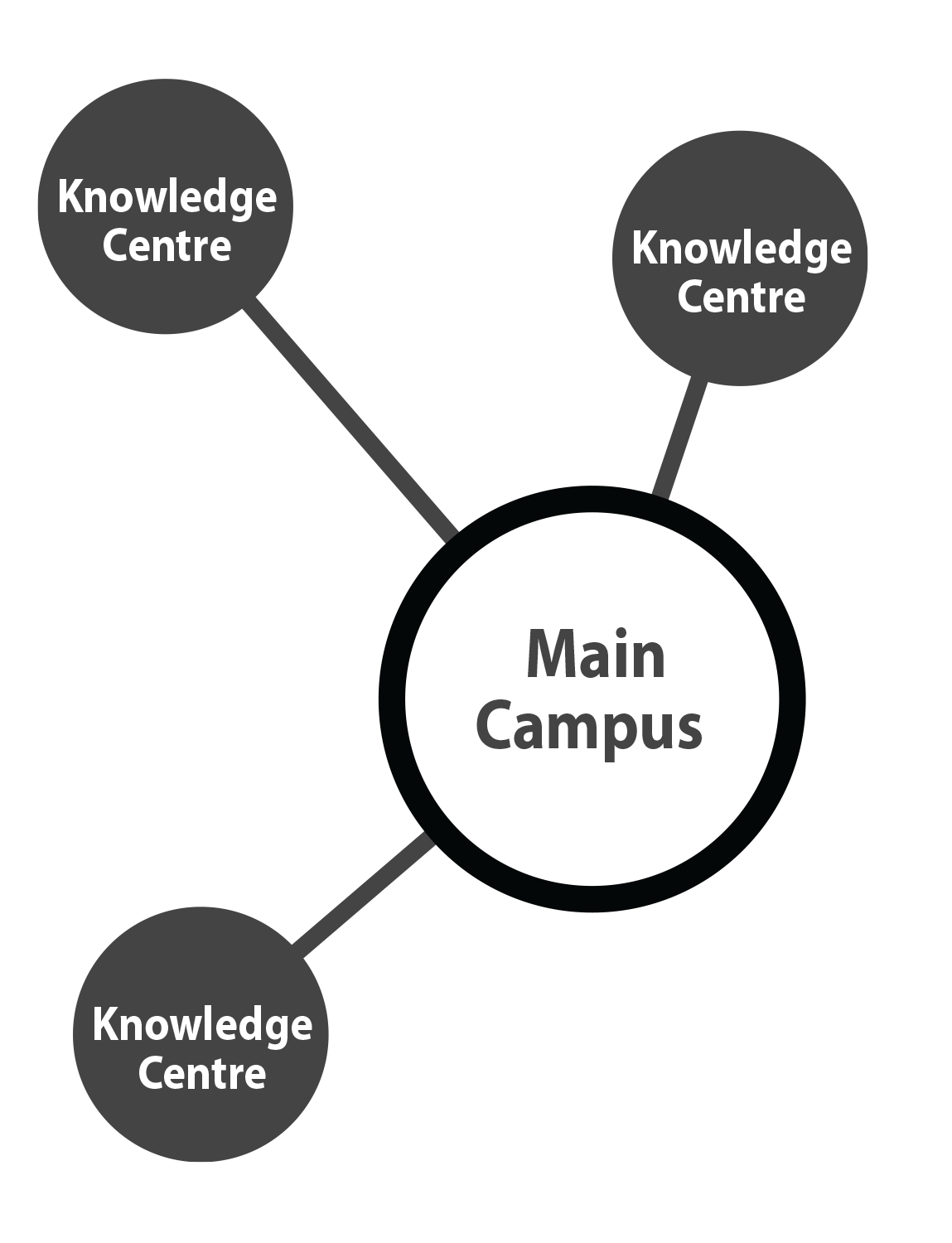
INU’s main campus serves as a central educational hub for students from across Inuit Nunangat, promoting a sense of community and collaboration among diverse backgrounds. It features advanced eco-friendly facilities that integrate Indigenous educational methods, emphasizing cultural understanding and knowledge sharing. The campus provides essential support services, including academic advising and mental health resources, ensuring accessibility and guidance for all students.
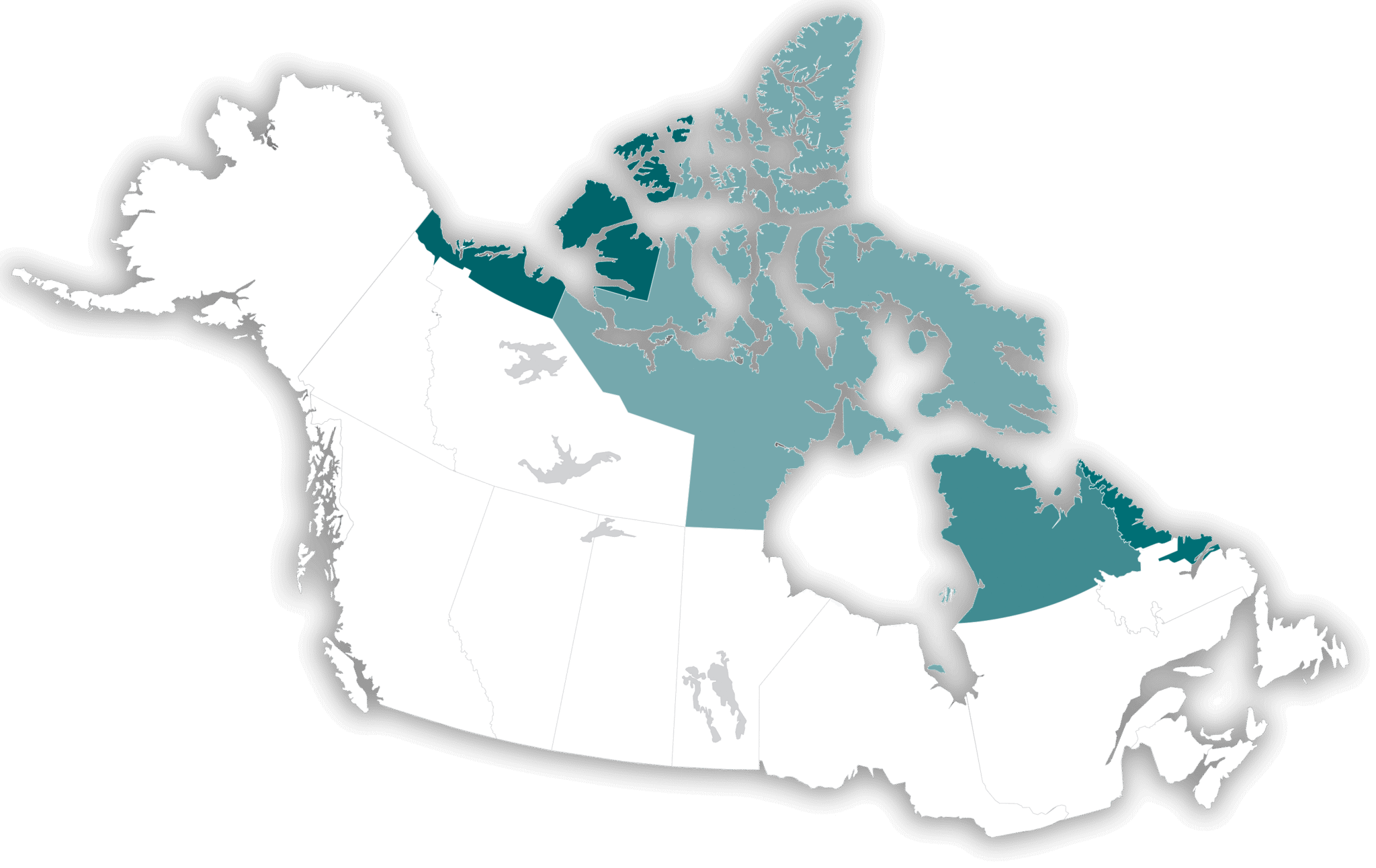
The Knowledge Centres of INU extend educational opportunities throughout the four regions of Inuit Nunangat, offering localized learning environments that respect each community’s cultural context. These Centres facilitate access to post-secondary education close to home, focusing on culturally relevant programs and Inuktut language immersion. By collaborating with Inuit-led organizations and emphasizing practical learning in areas like marine studies and midwifery, the Centres foster both local engagement and broader academic connections.
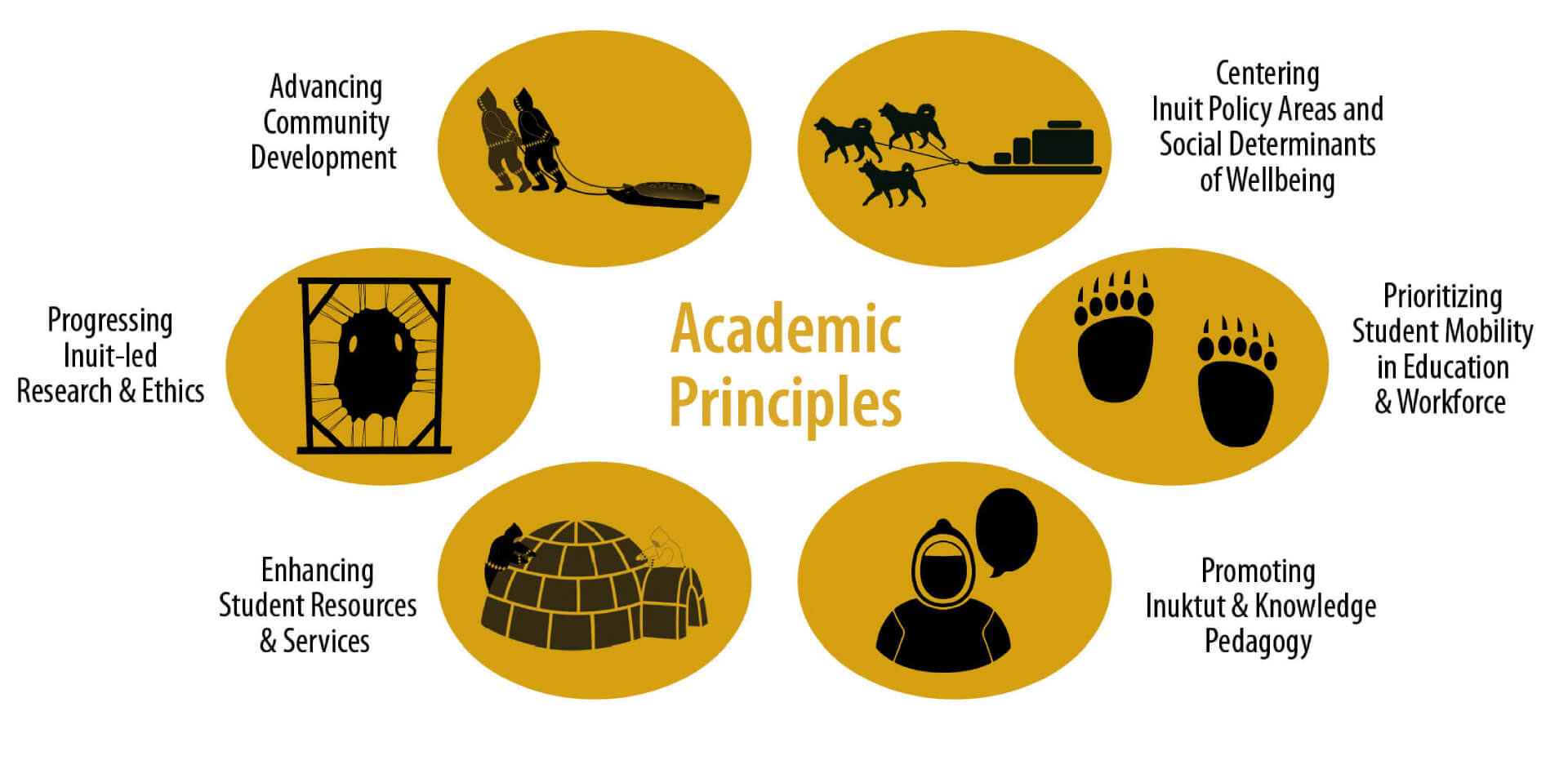
An interdisciplinary approach across these faculties enriches students’ learning by connecting diverse fields like environmental science, arts, health, education, language, and governance. This holistic approach provides students with a deep understanding of the complex challenges Inuit communities face, encouraging collaboration and innovative problem-solving that contributes significantly to their communities and beyond.

Concentrating on environmental protection and economic independence, this faculty will promote Inuit-led research on sustainable practices.
Major and minor degree programs include: Economics, Hunting, Engineering, Climate Studies, and Environmental Detection.

This faculty will encourage students to explore self-expression and reclaim Inuit identity through various artistic disciplines, promoting cultural narratives and developing creative voices.
Major and minor degree programs include: Visual Arts, Inuit Art History, Music, Theatre, Writing, Sculpture, Curating, Archiving, and Technology/IT/AI.

Emphasizing health and well-being, this faculty will empower students to enter healthrelated professions grounded in traditional practices.
Major and minor degree programs include: Midwifery, Nursing, Medicine, Veterinary Medicine, Food/Nutrition, Culinary Arts, Well-being, and Recreational Studies.

Dedicated to cultivating wisdom and skills, this faculty will prepare students for careers in education, social work, and community service, while enhancing their sense of self and agency.
Major and minor degree programs include: Education, Social work, Administration, Family/Kinship/Innuguiniq, Well-being and Community health.

Concentrating on Inuit self-determination, this faculty will empower students to engage in governance and advocacy for their communities.
Major and minor degree programs include: Governance, Leadership, Land Claims, Finance, Law, History, Policy Development, Political Science, Inuit Self-Determination, and Decolonization.

Focused on revitalizing the Inuktut language, this faculty will equip students with skills in language analysis, interpretation, and translation, ensuring the language’s survival and relevance.
Major and minor degree programs include: Linguistics, Sociolinguistics, Dialectology, Inuktut Administration, Pragmatics, and Interpretation and Translation.
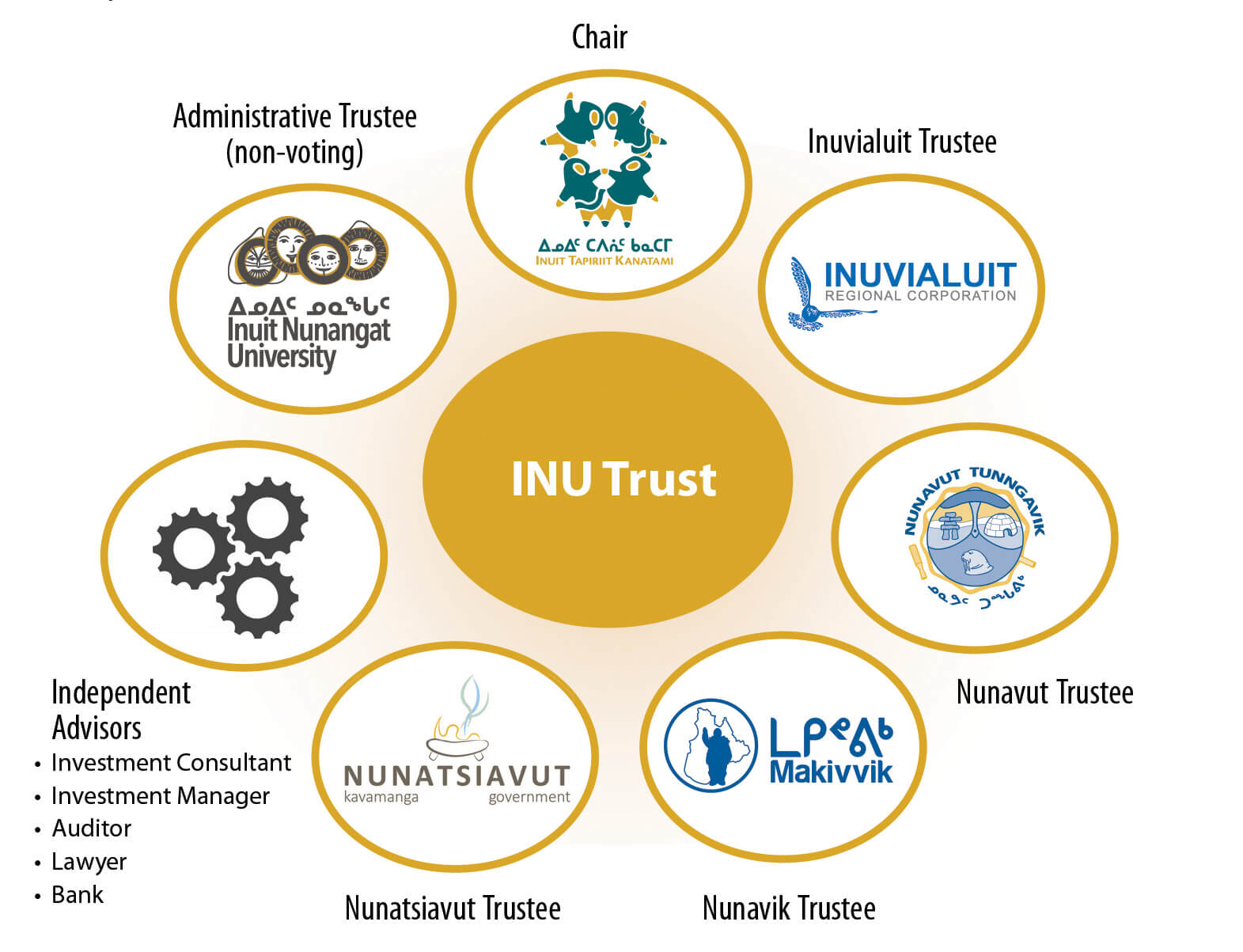
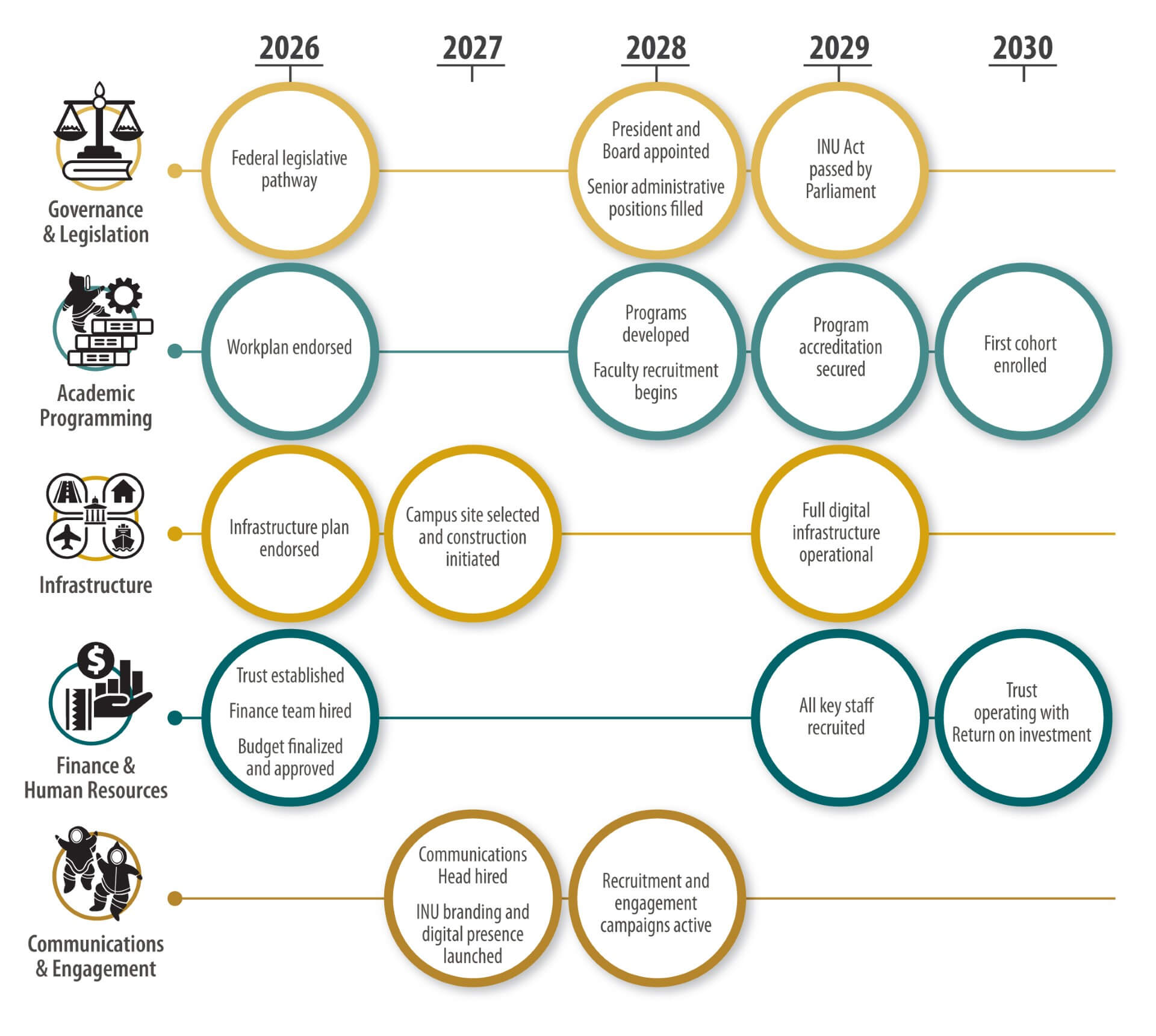
In 2022, ITK formed the Inuit Nunangat University Task Force (INUTF). Reporting to the National Inuit Committee on Education (NICE) and ITK Board of Directors, INUTF is the initial advisory and support group for the visioning of the Inuit Nunangat University. The role of the task force is to ensure Inuit experiences and views are heard and presented to shape future development of the Inuit Nunangat University.
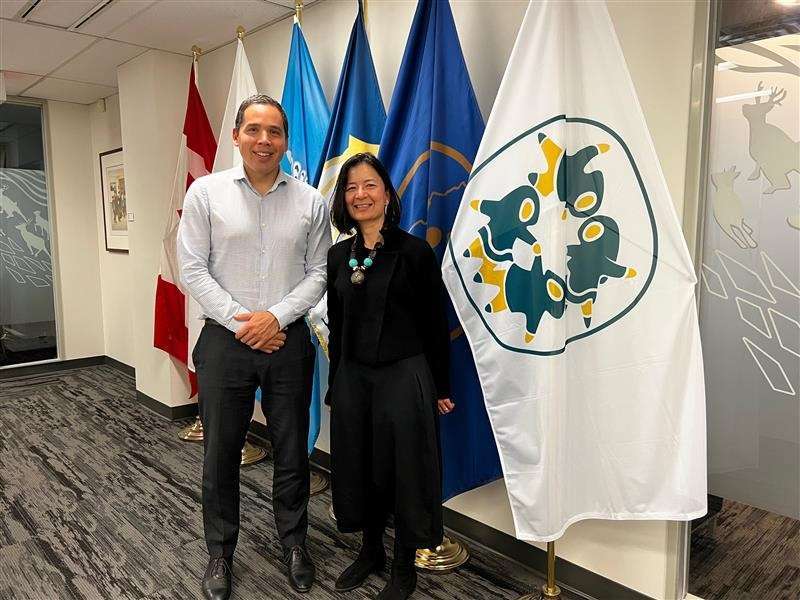
ITK President Natan Obed and Mastercard Foundation President and CEO Reeta Roy meet in ITK’s offices in 2022