

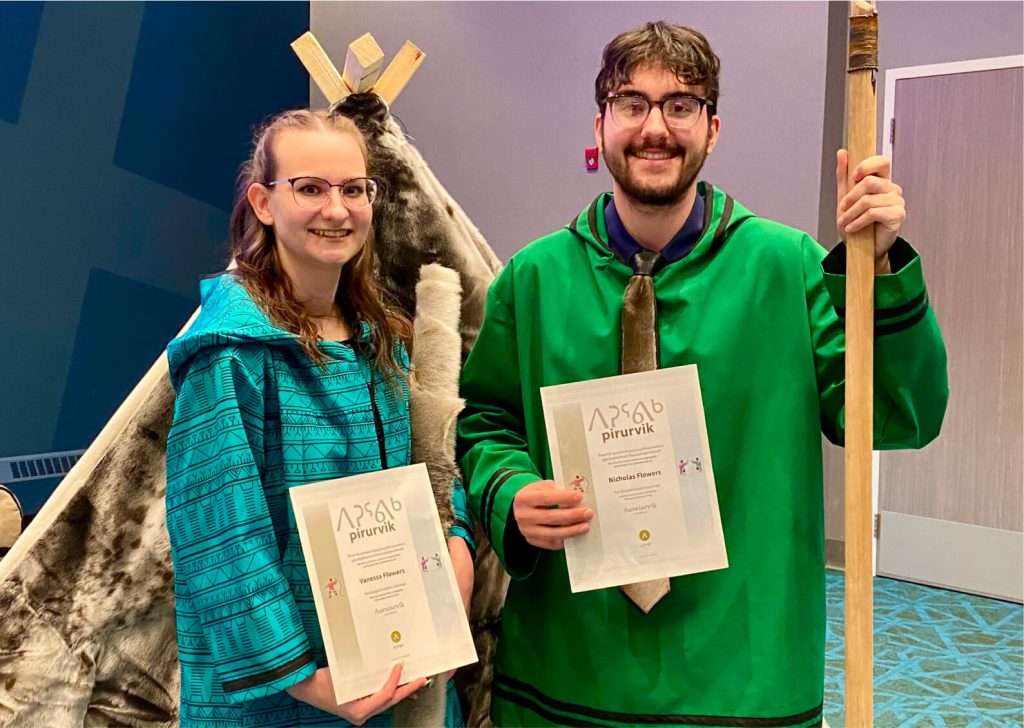
THERE ARE TWO NEW INUTTITUT INSTRUCTORS running online courses through the Nunatsiavut Government Department of Language, Culture and Tourism—and they’re brother and sister. Nicholas and Vanessa Flowers of Hopedale instruct across computer screens, using colour‐coded slides Their students, myself included, are primarily adult second‐language learners who either attended or whose relatives attended residential boarding schools, and subsequently lost their language. From Nunatsiavut, the the Flowers siblings are focusing their course on Inuttitut. So far I’ve taken two online Inuttitut courses run by them.
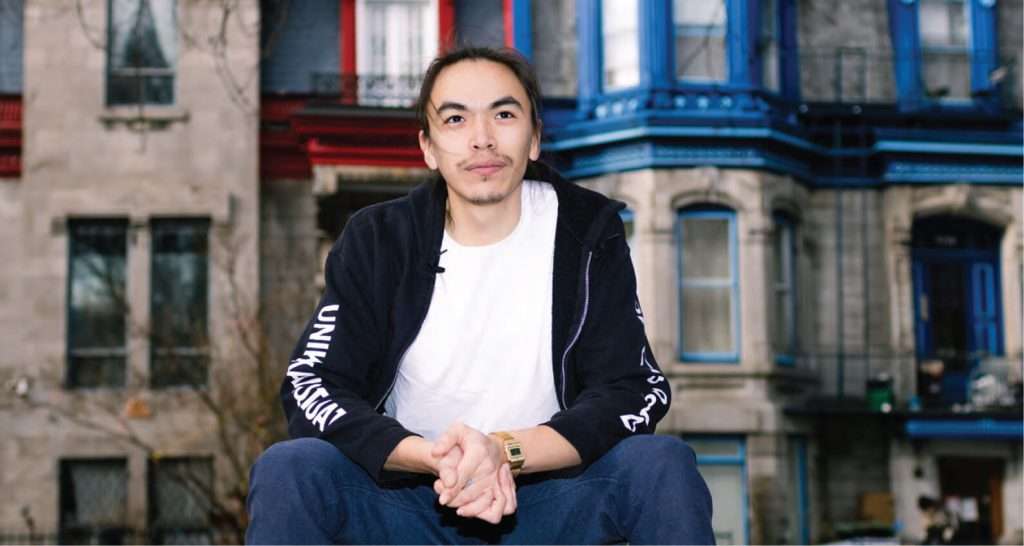
SAALI KUATA IS A MONTREAL-BASED multidisciplinary artist who works in circus, photography, and soapstone carving. He also takes roles on creative projects that teach Montrealers about Inuit history through art. Saali’s introduction to circus took place 10 years ago. After graduating high school in Kuujjuaq, Nunavik, he went off to study psychology and theatre in Montreal and found his way to becoming a full‐time artist who works closely with the Inuit community in Montreal. He lives on the island with his partner and their baby son.
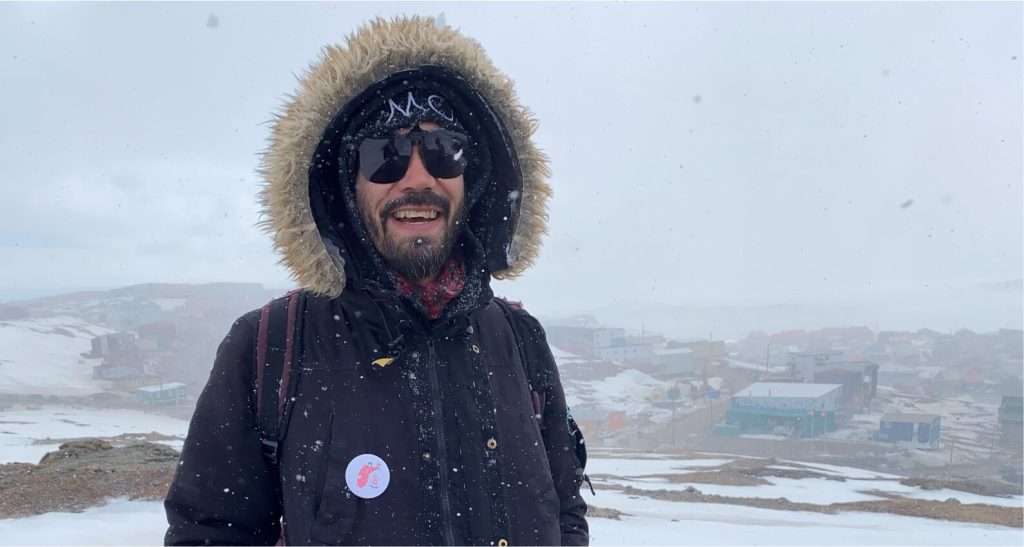
POETRY HAS BEEN A LONG JOURNEY FOR ME. I started writing poetry when I realized I did not have to wait for the poetry unit each year in class. I first started writing my new book Elements in 2015 as a way to let my emotions have their say and be able to better understand them. To have your thoughts and emotions acknowledged without judgment is a peaceful feeling. You are okay, flaws and all.
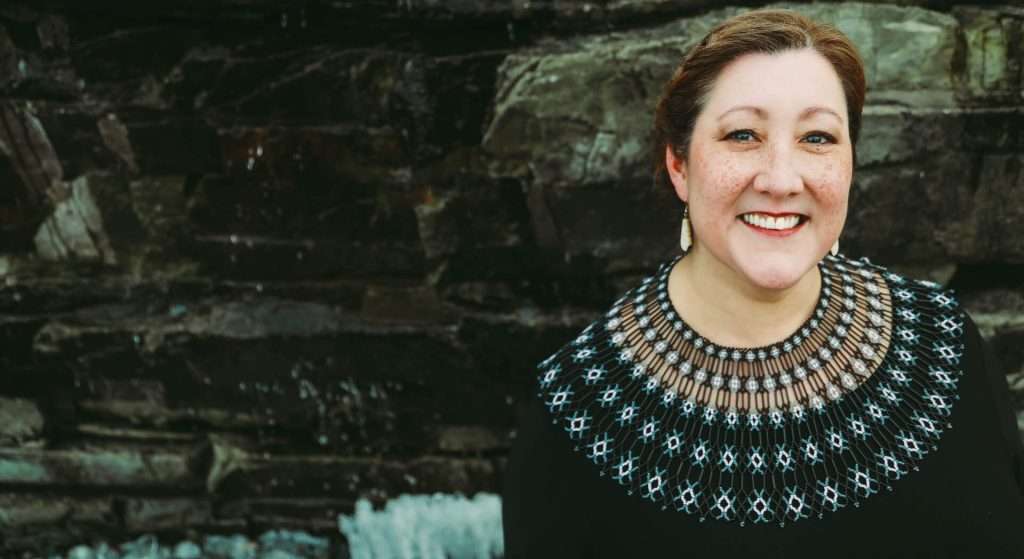
IN INUTTITUT the Labrador community of Hopedale is called Arvertok. It means the place of whales. As she sang her original work titled Song of the Whale beneath Memorial University’s blue whale skeleton in the spring of 2023, Canada’s only professional Inuk opera singer Deantha Edmunds was filled with a sense of connection to her Nunatsiavut heritage and her father’s community of Hopedale.
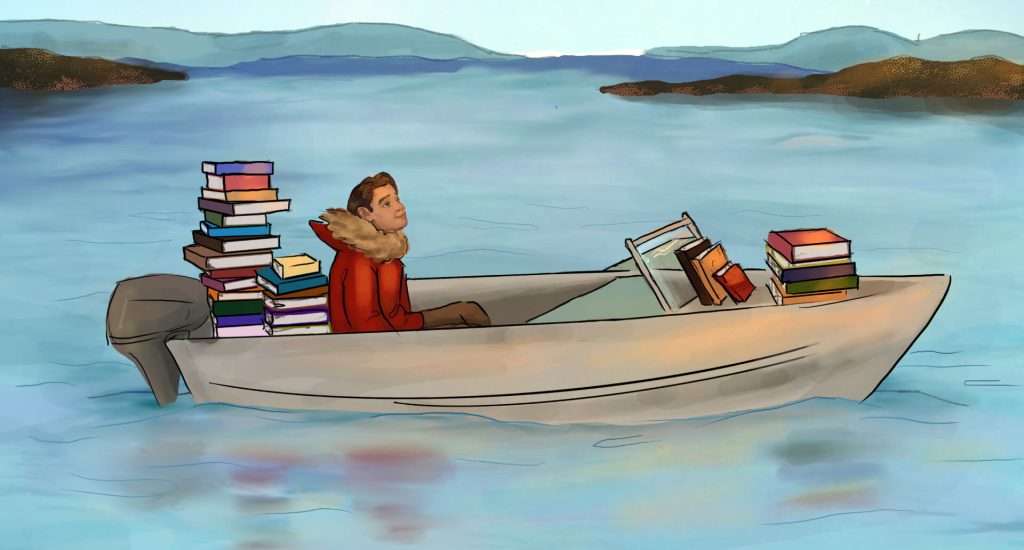
I REMEMBER WELL the feeling the rugged land of home evoked in me at a young age. I had no tools then to convey this feeling, other than the word “cool.” In retrospect, I know that the warm greens of grass and lichen contrasted with the brilliant blues of sea ice just under the snowy top layer in a way that created a sense of forceful beauty. I’ve since fallen in love with being able to communicate those kinds of experiences, a passion that has led me to study English literature in university. I love how language, whether Inuktut, English, or any other, might capture what goes on in one’s head, when core memories are made, or remembered.
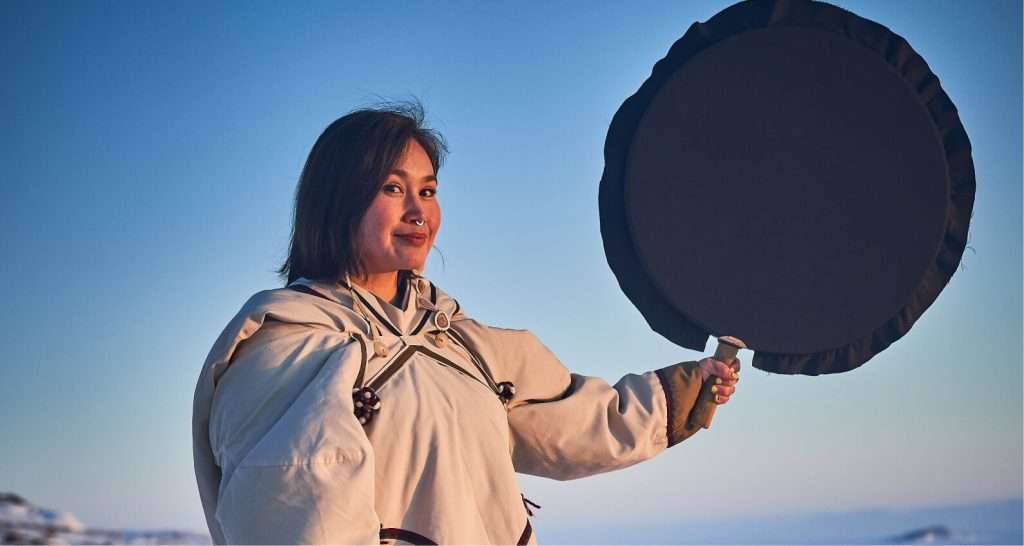
AS A DRUM DANCER LIVING IN IQALUIT, with family roots in Iglulik, I am most familiar with traditional drum practice of the Nunavut area, which usually entails a man composing his own song, and his wife and family singing while he drums. One song many Nunavummiut may be familiar with, Anirausilirlanga, is about when two specific stars become visible again, signifying the imminent return of the sun after the season of 24‐hour darkness.
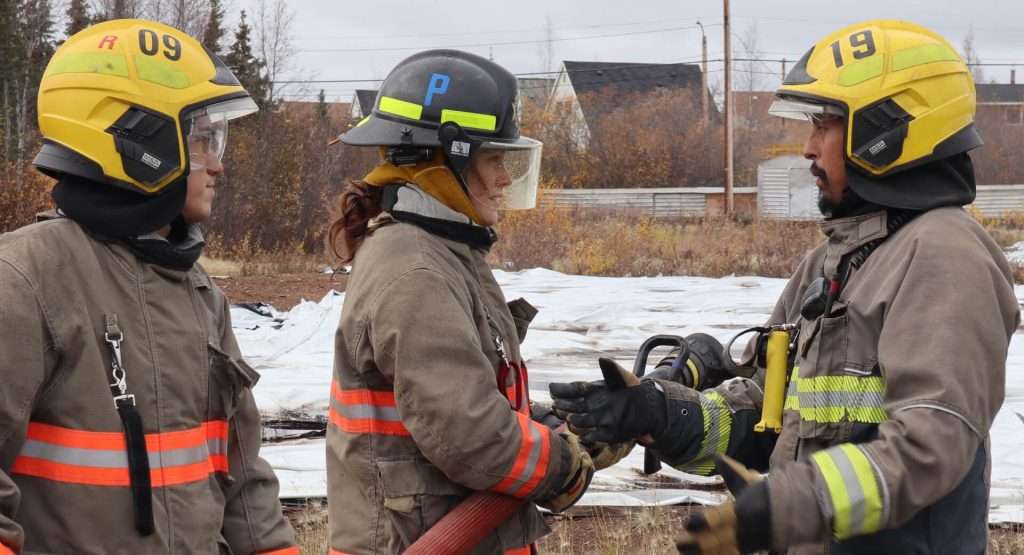
WHEN NOEL COCKNEY heard the news of wildfire evacuations in the Northwest Territories last summer, he went straight to the Inuvik wildfire office to see how he could help. A volunteer firefighter of four years, Cockney was already trained in fighting wildland fires. Here he two-week deployment combatting one of many fires that devastated the western Canadian territory over the summer of 2023.
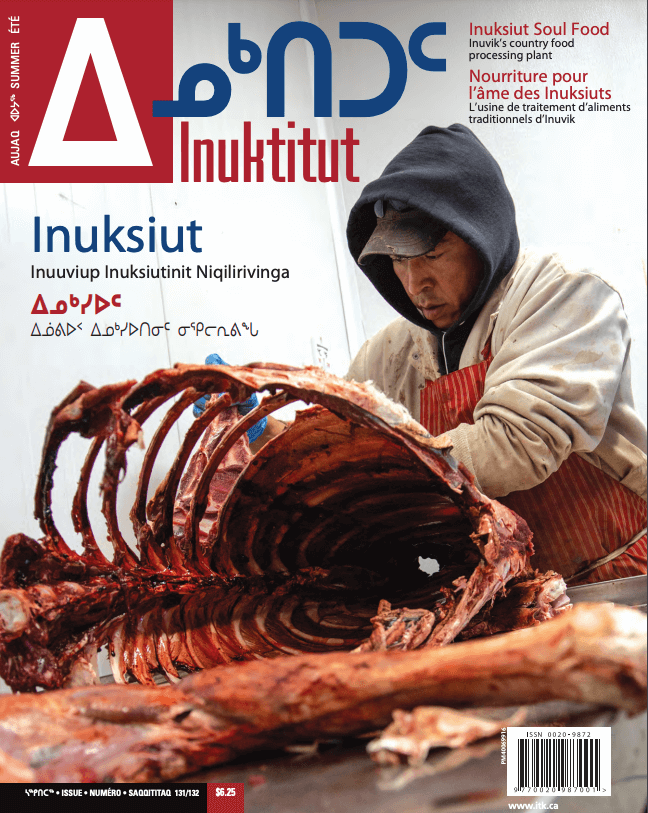
THIS SUMMER ISSUE of Inuktitut magazine travels across Inuit Nunangat. In our cover feature you’ll find a success story that merges Inuit self‐determination with food security, thanks to an Inuvik‐based country food processing plant. Also from the West, we’ll hear the firsthand account of an Inuvialuit wildfire fighter who battled one of the many blazes that raged through the Northwest Territories in 2023.
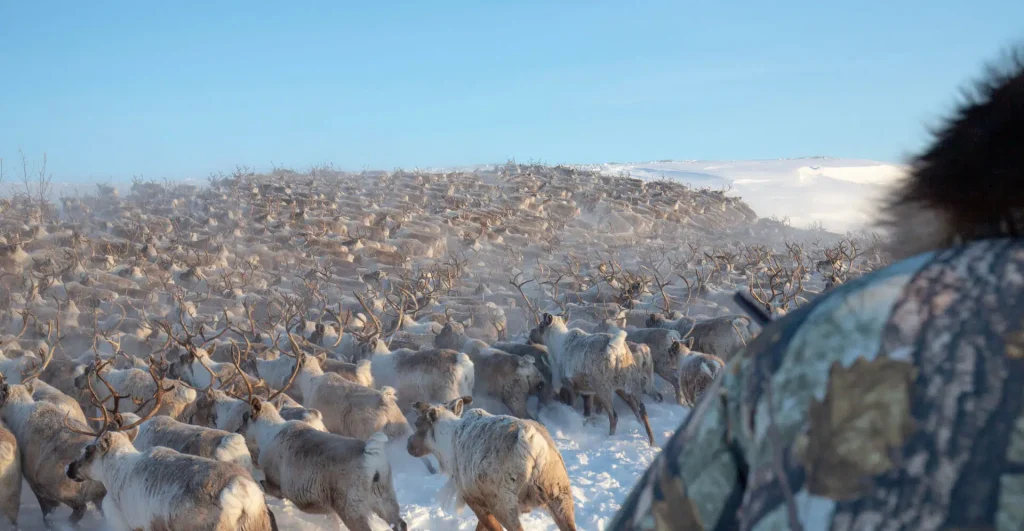
IT WAS “A BIG STEP” FOR INUVIALUIT, says Brian Elanik, when—over the course of a week in September 2023—he and his team butchered the first 50 reindeer harvested from the regional herd. “That’s our herd that will supply the Inuvialuit Settlement Region with traditional meats and hides,” says Elanik, an operator at the Inuvialuit Regional Corporation’s Inuvik‐based Inuvialuit Country Food Processing Plant. “We brought them into the plant, hung them up, let the blood drain overnight. We made roasts, diced meat, ground meat, sausages, ribs. We try to utilize everything from the animal to provide for our people.”
