
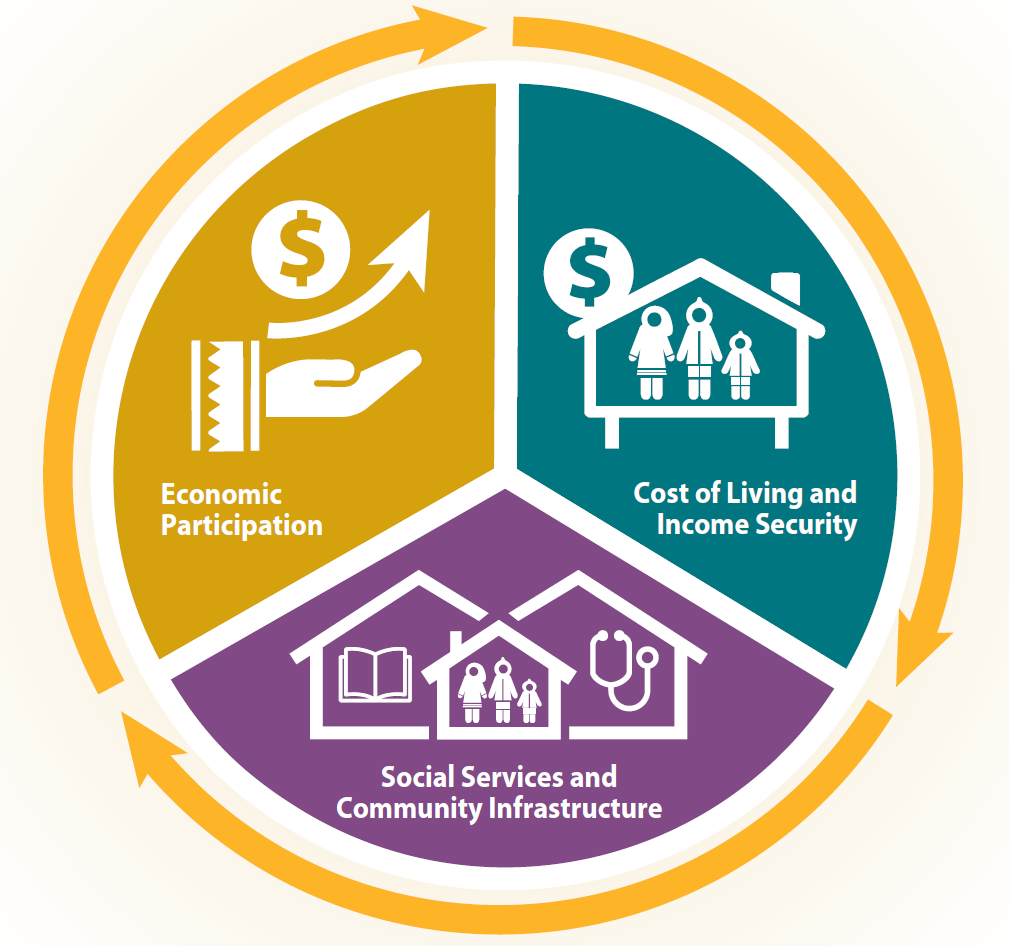
The Strategy is an Inuit-led roadmap to reduce poverty, strengthen self-determination, and close longstanding socioeconomic gaps between Inuit and non-Indigenous Canadians.
The NISR promotes a shared understanding of the legacy of Inuit Nunangat research and connects this legacy to current research practices. It defines Inuit expectations for the role of research in our regions and communities, and identifies areas for participation and action between Inuit and the research community. For far too long, researchers and research institutions have been the primary beneficiaries of Inuit Nunangat research, despite the present and ongoing need for Inuit-specific data and information that can be used to shape solutions to our most pressing challenges.
Inuit Nunangat research is too often governed, resourced, and carried out in a manner that limits Inuit participation, marginalizing Inuit from the benefits of research. The National Inuit Strategy on Research seeks to remedy these problems. It identifies five priority areas in which coordinated action is necessary to facilitate Inuit Nunangat research that is effective, impactful, and meaningful to Inuit. Implementation of the NISR is called for directly in ITK’s 2020-2023 Strategy and Action Plan, Objective 6—to “Empower Inuit through research and data and information access, ownership and dissemination” .
The NISR was created to enhance research by Inuit, build research capacity in our communities, address our needs and contribute to our prosperity by providing Inuit with information, tools and resources necessary for good decision-making and to inform policies and programs that will help improve our social well being.




The NISR was developed in coordination with the Inuit Qaujisarvingat National Committee, which is made up of representatives of each of the voting and non-voting members of ITK’s Board of Directors.
The NISR helps provide guidance for research by Inuit, for Inuit. The following programs are advancing Inuit self-determination in research.
The Strategy is an Inuit-led roadmap to reduce poverty, strengthen self-determination, and close longstanding socioeconomic gaps between Inuit and non-Indigenous Canadians.
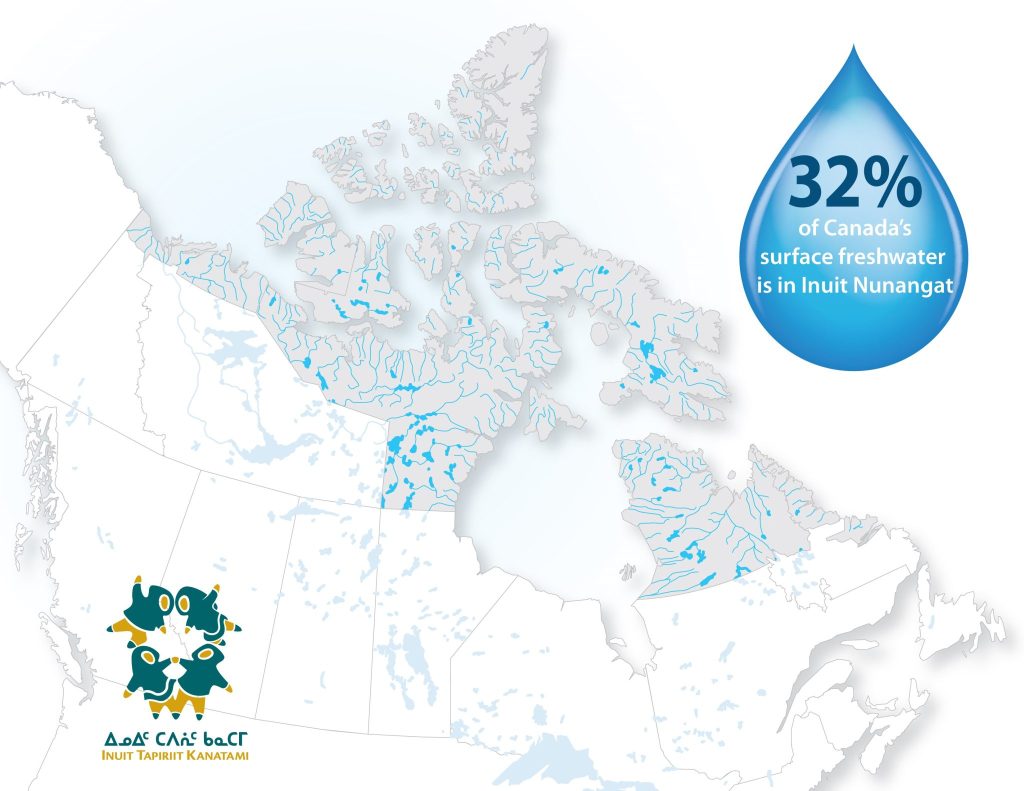
Using decades of remote sensing imagery, ITK has determined that Inuit Nunangat is home to 32% of Canada’s surface freshwater – more than the surface area of all five Great Lakes combined.
ArcticNet’s Annual Scientific Meeting takes place in Calgary, Alberta, December 15-18. You can nominate Inuit researchers for a recognition award or to have their travel expenses covered.
ArcticNet’s Arctic Change Conference takes place December 9-12, 2024, in Ottawa. You can nominate Inuit researchers for a recognition award or to have their travel expenses covered.

The Trudeau government’s summer cabinet shakeup has created challenges when trying to advance Inuit political priorities in Ottawa, says Inuit Tapiriit Kanatami (ITK) President Natan Obed.

Strengthened partnerships between all levels of government, inclusive of Inuit representational organizations, would be a significant legacy of the COVID-19 pandemic, ensuring that we emerge stronger, and better able to face the next one.
